Table of Contents
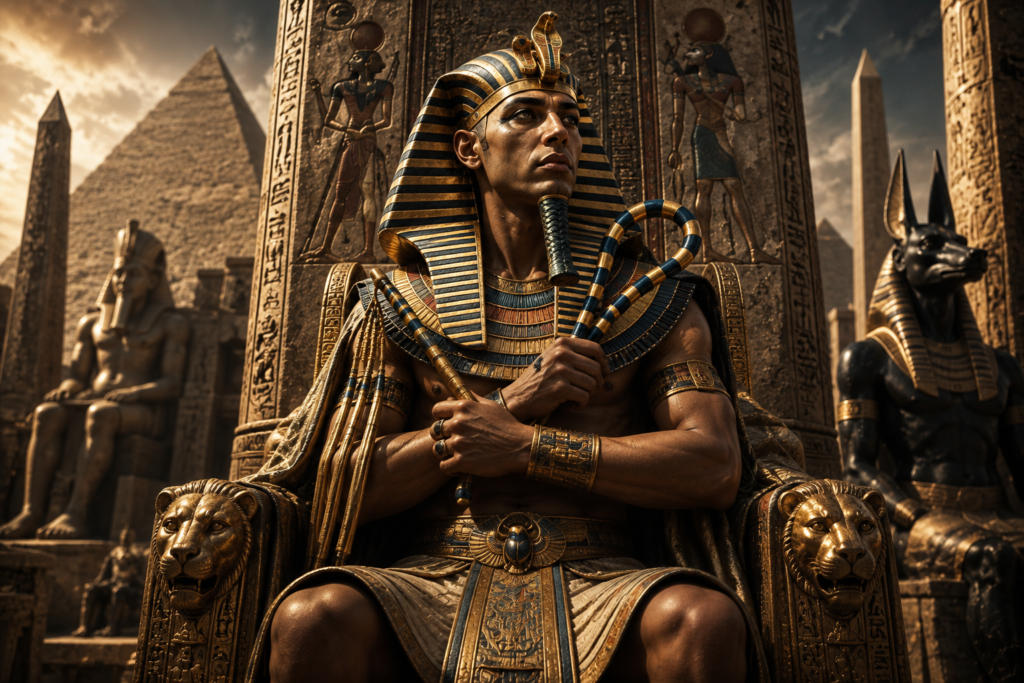
Few images from the ancient world are as instantly recognizable as the Egyptian pharaoh.
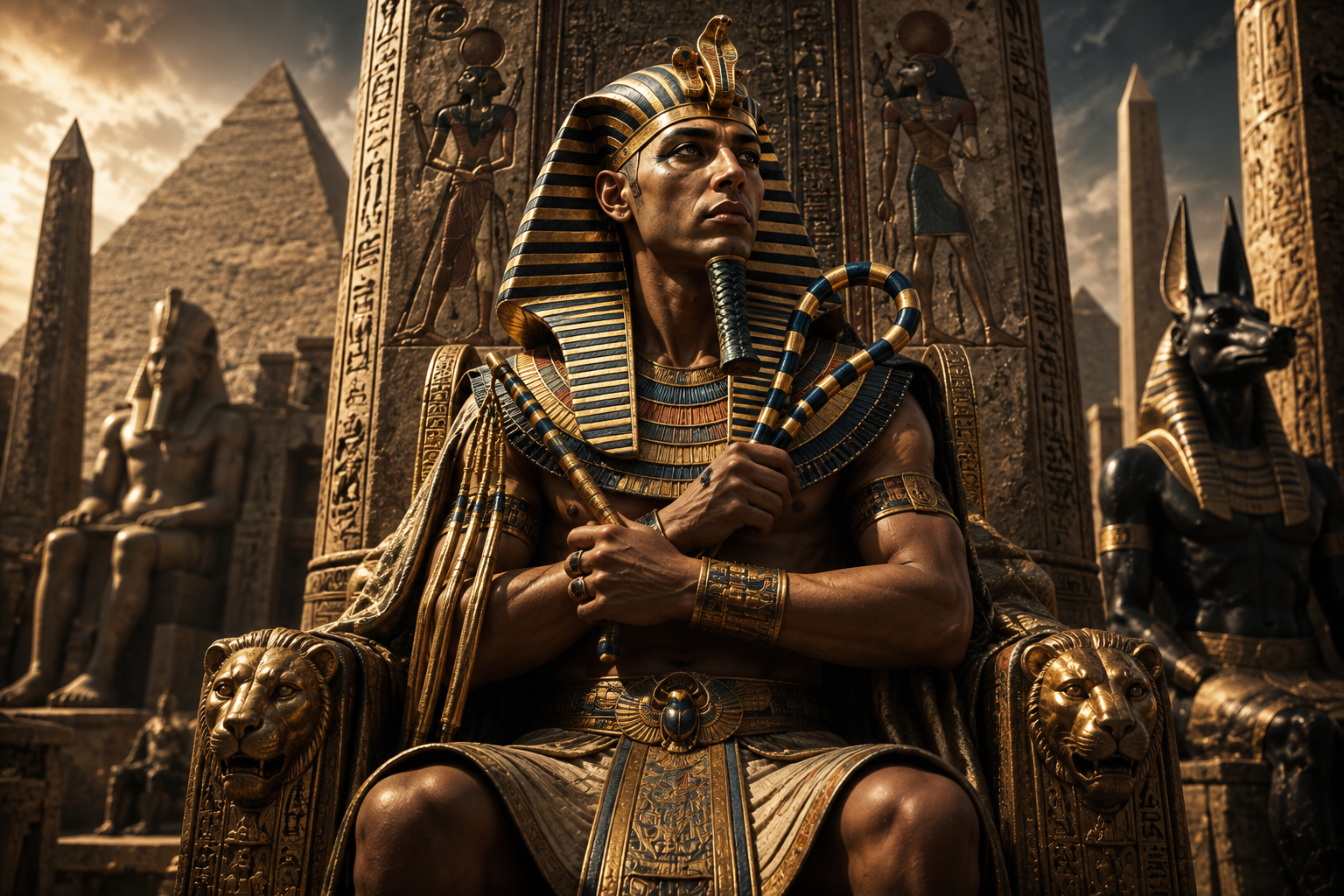
A striped nemes headdress.
A ceremonial beard.
A royal cobra rising from the forehead.
A throne.
A crown representing Upper and Lower Egypt.
Sometimes a crook and flail held across the chest.
These weren’t simply pieces of costume.
In ancient Egypt, royal clothing, crowns, insignia and poses were part of a carefully developed visual language. They communicated who the king was, what authority he possessed and how his role was connected to the religious and political order of the kingdom.
That is one reason the image of the pharaoh continues to influence art, film, architecture, jewelry, graphic design and fashion thousands of years later.
But the real history behind the image is more interesting than the popular version.
A pharaoh was not simply an Egyptian “king” wearing an elaborate crown.
The institution of kingship was deeply connected to religion, political authority, cosmic order and the relationship between humans and the gods.
To understand the symbolism of the pharaoh, we have to understand that entire system.
What Does “Pharaoh” Mean?
The word pharaoh has an interesting history.
It ultimately comes from the ancient Egyptian expression per-aa, meaning “Great House.”
Originally, this referred to the royal palace or royal estate rather than directly to the individual ruler.
Over time, the term became a way of referring to the king himself.
The Metropolitan Museum explains that pharaoh comes through Hebrew usage from the Egyptian per-aa, originally referring to the royal estate before becoming a designation for the king.
So when we say “pharaoh” today, we are using a term whose meaning developed over time.
Ancient Egyptian kings had their own names and formal royal titles.
In fact, each king had a complex five-part titulary that identified different aspects of his royal identity.
Who Ruled Ancient Egypt?
Ancient Egypt wasn’t ruled by one continuous line of pharaohs.
Its history spans thousands of years and includes numerous dynasties, kingdoms, political transitions and periods of fragmentation.
The first dynasties emerged after the unification of Upper and Lower Egypt.
Later Egyptian history is conventionally divided into periods such as:
- Early Dynastic Period
- Old Kingdom
- First Intermediate Period
- Middle Kingdom
- Second Intermediate Period
- New Kingdom
- Third Intermediate Period
- Late Period
There were also foreign rulers and changing political circumstances.
This matters because there was never one single “pharaoh style.”
The visual language of kingship evolved.
Different periods emphasized different crowns, artistic conventions, religious relationships and political circumstances.
Why Was the Pharaoh So Important?
The pharaoh was more than the head of government.
Ancient Egyptian kingship was deeply connected with religion.
The king was understood to have a special relationship with the gods and with the maintenance of maat—a concept associated with truth, order, balance and cosmic harmony.
The king’s responsibilities therefore extended beyond administration.
He was expected to maintain order between the human and divine realms.
That relationship is reflected repeatedly in Egyptian art.
Kings are shown:
- making offerings to gods
- receiving symbols of life
- standing before temples
- defeating enemies
- performing rituals
- wearing divine or royal regalia
The image communicates authority, but it also communicates responsibility.
The Pharaoh and Divine Kingship
Egyptian kingship had a strong divine dimension.
That doesn’t mean Egyptians simply believed every king was identical to a god in every context.
The relationship between the king, the gods and divine status was more complicated.
The king could be represented as the son of a god, as a divine intermediary, or as embodying divine aspects of kingship.
This distinction is important.
Modern descriptions sometimes reduce ancient Egyptian kingship to:
“The pharaoh was a god.”
The reality was more nuanced.
Royal ideology connected the king to the gods while maintaining distinctions between human rulership and the divine world.
The Five Names of an Egyptian King
One of the most fascinating aspects of Egyptian kingship was the royal titulary.
According to the Metropolitan Museum, each king traditionally received five names upon accession:
- The Horus name
- The Two Ladies name
- The Golden Horus name
- The King of Upper and Lower Egypt name
- The Son of Re name
The final two names are particularly familiar because they were enclosed within cartouches in inscriptions.
A cartouche is an elongated oval surrounding a royal name.
It became one of the most recognizable visual elements associated with ancient Egyptian writing and royalty.
What Is a Cartouche?
A cartouche is essentially a protective frame around a royal name.
It looks simple:
an oval enclosure + hieroglyphic writing
But its function was significant.
It visually identified the name as belonging to a king.
The British Museum’s educational material describes the cartouche as an oval shape surrounding the names of royal people in hieroglyphic inscriptions and connects it with the pharaoh’s rule over the lands encompassed by the sun.
Today, cartouches are widely used in Egyptian-inspired jewelry, tattoos and graphic design.
But their original context was much more specific.
They were part of the formal visual language of Egyptian kingship.
The Nemes Headdress
One of the most recognizable pieces of Egyptian royal imagery is the nemes.
It is the striped headcloth frequently seen on statues of Egyptian kings.
The fabric was arranged across the forehead and extended down behind the head and shoulders.
The Metropolitan Museum identifies the nemes and uraeus as characteristic elements of royal representation.
The British Museum similarly describes the nemes as a piece of cloth worn by the pharaoh.
The nemes is so strongly associated with pharaohs that it has become almost visual shorthand for:
Egyptian king.
The Uraeus: The Cobra of the Pharaoh
Look at almost any famous representation of an Egyptian pharaoh and you’ll often see a cobra rising from the forehead.
This is the uraeus.
It represents the rearing cobra and functions as a royal protective symbol.
The image is not merely ornamental.
The cobra represents protection and royal authority.
The British Museum describes the uraeus as a rearing cobra associated with protection and the defense of the royal family.
The Metropolitan Museum’s statue of King Sahure shows the uraeus on the king’s forehead and identifies it with the cobra goddess who protected Egyptian kings.
That makes the image particularly powerful.
The pharaoh doesn’t simply wear a symbol of power.
He wears a symbol that represents divine protection.
Why Is the Cobra So Important?
The cobra is naturally intimidating.
A raised hood.
A striking posture.
A venomous bite.
For ancient Egyptian visual culture, those characteristics made the cobra an effective symbol of protection.
The uraeus could represent a force ready to attack anyone threatening the king.
The British Museum describes it as a protective emblem associated with warding off enemies.
This is an excellent example of ancient symbolism:
danger becomes protection.
The thing that can harm an enemy becomes the thing guarding the ruler.
The Crowns of Egypt
Egyptian kings could be shown wearing different crowns.
Two of the most important were associated with the traditional division between:
Upper Egypt
and
Lower Egypt.
The White Crown was associated with Upper Egypt.
The Red Crown was associated with Lower Egypt.
The combination of the two became the double crown, representing unified Egypt.
The Metropolitan Museum explains that the two crowns remained important elements of Egyptian kingship even after the country was politically unified.
This is more than decoration.
The crown communicates geography and political unity.
It tells the viewer:
This ruler governs both lands.
The Blue Crown
Another famous Egyptian royal crown is the khepresh, often called the Blue Crown.
The Metropolitan Museum’s head of King Seti II shows the ruler wearing the blue crown and notes that royal cobras appear on it. The same object connects the red and white crowns with the two parts of Egypt.
The Blue Crown is especially recognizable from New Kingdom imagery.
It is frequently associated with kingship and military contexts, although the exact interpretation of royal crowns varies according to period and context.
The Crook and Flail
Another recurring element in Egyptian royal imagery is the crook and flail.
They are often shown crossed over the chest of kings or Osiris.
The symbols are commonly interpreted in relation to kingship and authority.
The Metropolitan Museum explicitly identifies the crook and flail as symbols of kingship in its description of Osiris.
The crook resembles a shepherd’s staff.
That connection provides a useful metaphor:
the ruler as shepherd of the people.
The flail, meanwhile, is associated with authority and agricultural symbolism.
Together, they became powerful visual markers of rulership.
The False Beard
The ceremonial beard seen on Egyptian kings can look strange to modern viewers.
But it was an important part of royal and divine imagery.
The beard was artificial and ceremonial rather than simply representing ordinary facial hair.
The Metropolitan Museum identifies the straight false beard as one of the traditional markers of Egyptian royal status.
Divine figures could also be shown with distinctive beards.
This created a visual connection between royal and divine representation.
The Pharaoh’s Clothing
Royal clothing communicated status.
Kings were frequently represented wearing:
- royal kilts
- headcloths
- crowns
- ceremonial beards
- collars
- jewelry
- protective symbols
The exact combination changed depending on the period and context.
The clothing therefore functioned almost like a visual vocabulary.
A viewer familiar with the conventions could identify a king from his posture, clothing, crown and insignia.
The Metropolitan Museum notes that royal status could be identified through specific regalia including the royal kilt, bull’s tail, crowns, uraeus, false beard, crook and flail and royal cartouches.
The Pharaoh’s Throne
The throne was another important symbol of authority.
When an Egyptian king sits on a throne, the pose communicates stability and command.
The Metropolitan Museum’s sculpture of King Sahure shows him seated while emphasizing his role in governance and judgment.
The throne wasn’t merely furniture.
It was part of the visual language of kingship.
A standing king can appear active.
A seated king can appear established.
The distinction itself becomes symbolic.
The Pharaoh and the Two Lands
One of the recurring themes in Egyptian royal imagery is unity.
Egypt was traditionally understood through the relationship between Upper and Lower Egypt.
Plants, crowns, symbols and inscriptions could communicate the union of these regions.
The British Museum describes royal imagery in which papyrus and lily plants represent Lower and Upper Egypt and are tied together around the hieroglyph for “unite.”
The king’s authority was therefore represented not only through personal imagery but through the geography of the kingdom itself.
The Pharaoh as Protector
A king was expected to protect Egypt from external threats.
This appears frequently in Egyptian art.
Pharaohs are shown defeating enemies, hunting, making offerings and standing before the gods.
These scenes were not necessarily straightforward historical photographs.
They were part of royal ideology.
The artwork communicated what a king was supposed to represent:
strength, stability, order and protection.
This is one reason Egyptian royal art often looks extraordinarily confident.
It was designed to communicate permanence.
Why Egyptian Pharaohs Look So Powerful
Look closely at Egyptian royal sculpture.
The figures often have:
- upright posture
- broad shoulders
- controlled expressions
- symmetrical compositions
- idealized proportions
- formal gestures
This wasn’t accidental.
Egyptian art developed conventions designed to communicate stability and permanence.
A ruler was not generally portrayed as an ordinary person caught in an unguarded moment.
He was presented as a ruler.
The image had a function.
Pharaohs and Monumental Architecture
The image of the pharaoh cannot be separated from monumental architecture.
Temples.
Tombs.
Pyramids.
Statues.
Obelisks.
These structures transformed royal power into physical space.
A ruler who commissioned a massive monument could leave an enduring mark on the landscape.
Even after death, the monument continued communicating the king’s presence.
This helps explain why ancient Egyptian kings remain visually powerful today.
Their images were literally built into stone.
Pharaohs and the Afterlife
Egyptian kingship also had a major relationship with death and the afterlife.
Royal tombs and mortuary temples were not simply monuments to dead individuals.
They were part of a larger religious system concerned with the continuation of life after death.
The king’s identity was connected with divine and cosmic processes.
This is one reason Egyptian royal imagery frequently overlaps with funerary imagery.
The pharaoh was simultaneously:
ruler
religious figure
ancestor
symbol of continuity
That combination is unusual and powerful.
Famous Pharaohs
Some Egyptian rulers became especially famous in modern culture.
Djoser
Associated with the Step Pyramid at Saqqara, one of the earliest monumental stone pyramid complexes.
Khufu
The king traditionally associated with the Great Pyramid at Giza.
Hatshepsut
One of the most prominent female rulers of ancient Egypt, who adopted the formal conventions of kingship.
Akhenaten
Known for the major religious changes associated with the worship of the Aten during his reign.
Tutankhamun
A relatively minor ruler in the larger history of Egypt whose fame exploded after the discovery of his largely intact tomb.
Ramesses II
One of the most famous rulers of the New Kingdom, represented in numerous monumental statues and temples.
The British Museum’s colossal statue of Ramesses II demonstrates how royal sculpture combined physical scale, controlled expression, regalia and protective symbolism to communicate authority.
Hatshepsut and the Meaning of Kingship
Hatshepsut deserves special attention.
She was a woman who became pharaoh and was represented using the traditional visual language of kingship.
That could include:
- royal crowns
- ceremonial beard
- kingly posture
- royal titles
- temple monuments
Her example demonstrates something important about Egyptian royal imagery.
The visual language was not simply about biological identity.
It represented the institution of kingship.
When Hatshepsut adopted royal imagery, she was presenting herself within that established institution.
Pharaohs Were Not All the Same
It is tempting to imagine every pharaoh as identical.
They weren’t.
They ruled in different periods.
They faced different political situations.
They followed different religious policies.
Some were powerful conquerors.
Others ruled during periods of instability.
Some left enormous monuments.
Others are known primarily through inscriptions or small objects.
The word “pharaoh” therefore describes a long institution rather than a single personality type.
What Do Pharaoh Symbols Mean?
Some of the most recognizable symbols include:
Uraeus
Protection and royal authority.
Nemes
A royal headcloth strongly associated with pharaohs.
Double Crown
The unity of Upper and Lower Egypt.
Cartouche
A frame around royal names.
Crook and Flail
Symbols associated with kingship.
Ankh
A hieroglyph associated with life.
Scarab
Associated with ideas of renewal and rebirth in Egyptian symbolism.
The British Museum’s educational material identifies the ankh with life, the uraeus with protection, the cartouche with royal identity and the scarab with ideas connected to rebirth.
Why Pharaoh Imagery Still Influences Fashion
Few ancient visual languages are as recognizable as Egyptian royal imagery.
A striped headcloth can immediately suggest Egypt.
A cobra can communicate royal protection.
A cartouche can evoke hieroglyphic writing.
A crown can communicate authority.
A seated figure can suggest kingship.
These symbols work because they have strong visual identities.
Fashion has always borrowed from historical imagery.
Egyptian-inspired design is particularly effective because the original visual language was already highly graphic.
Ancient Egyptians understood the power of:
shape
symmetry
contrast
symbol
repetition
scale
Those are still fundamental principles of graphic design today.
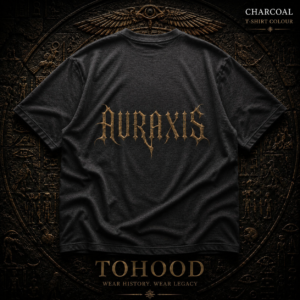
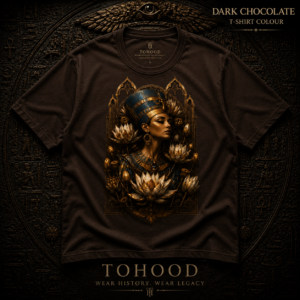
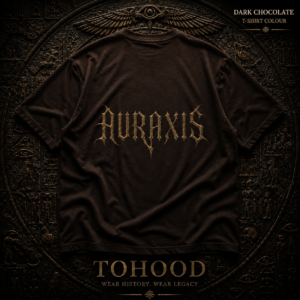
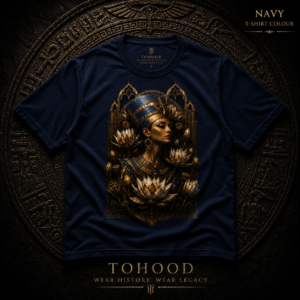
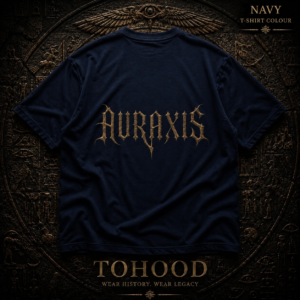
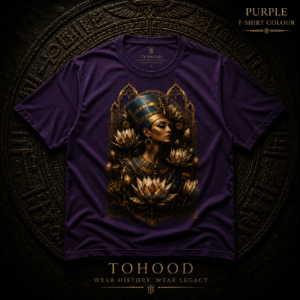
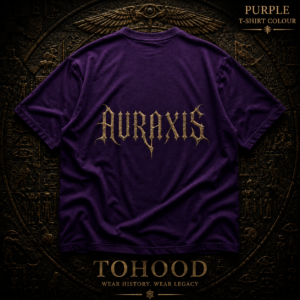
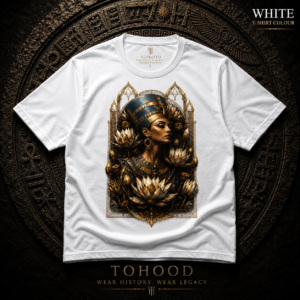
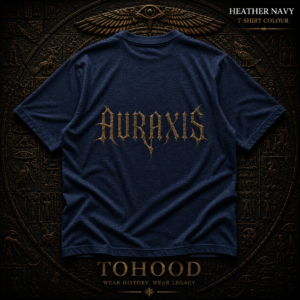
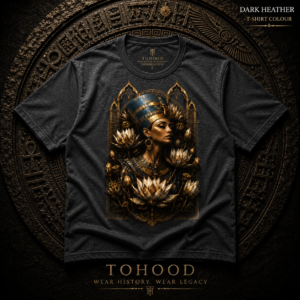
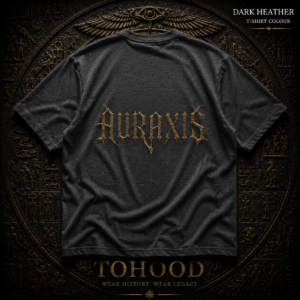
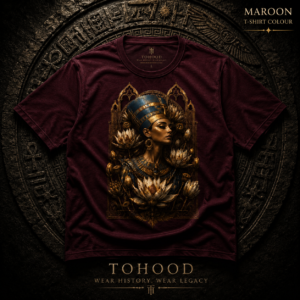
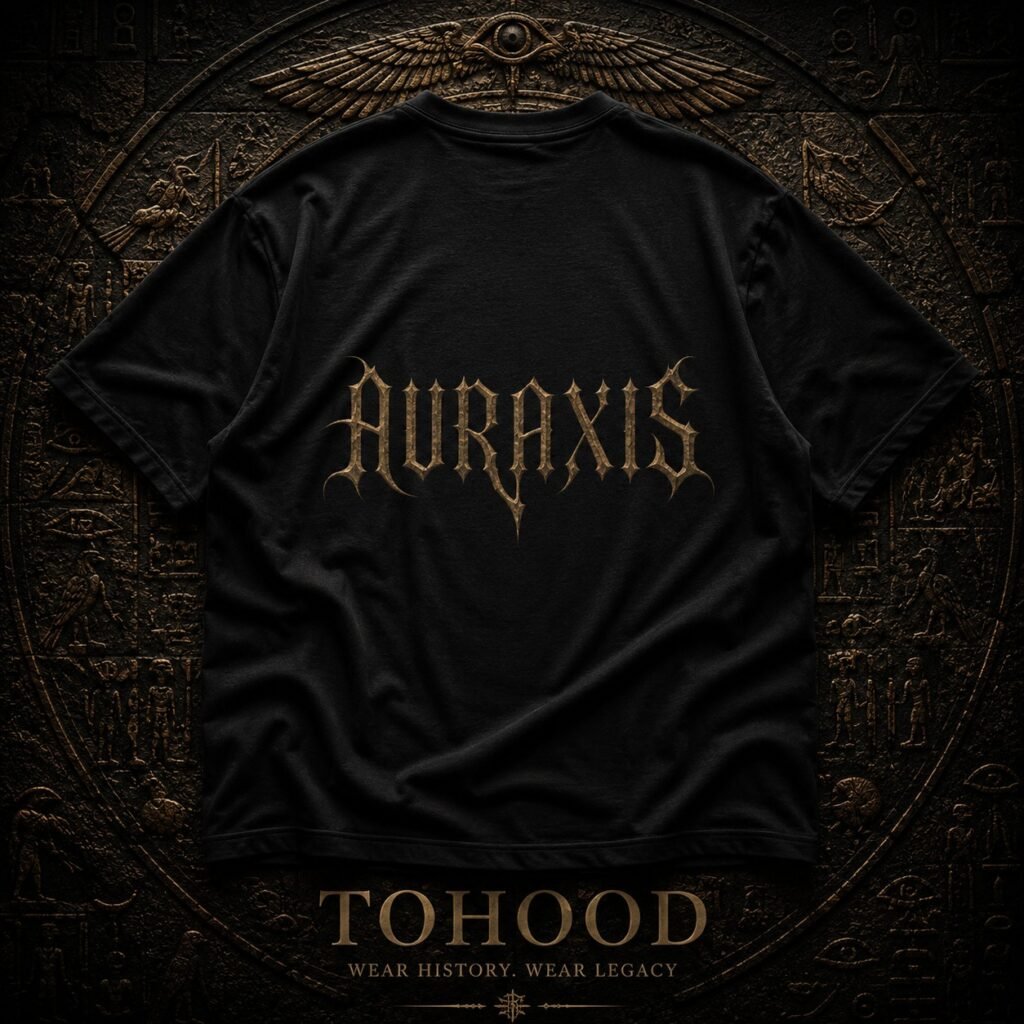
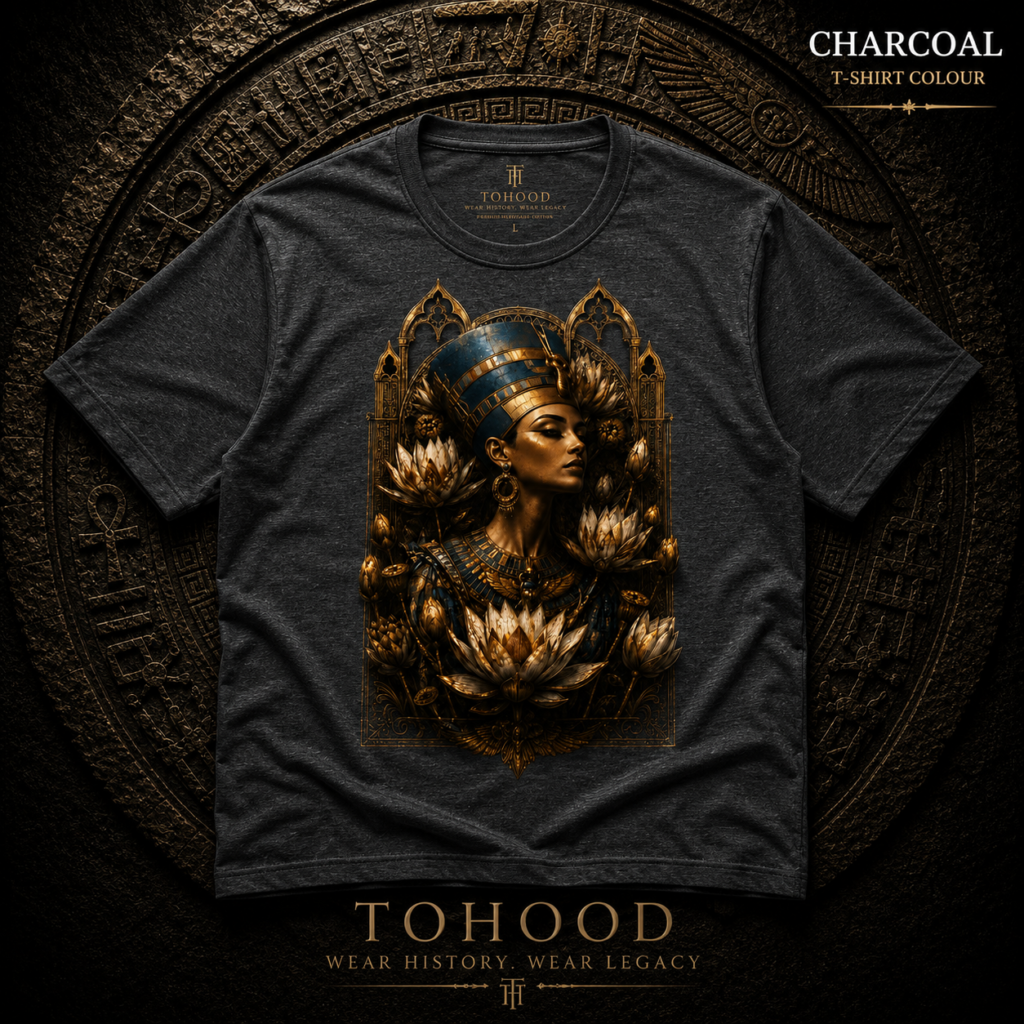
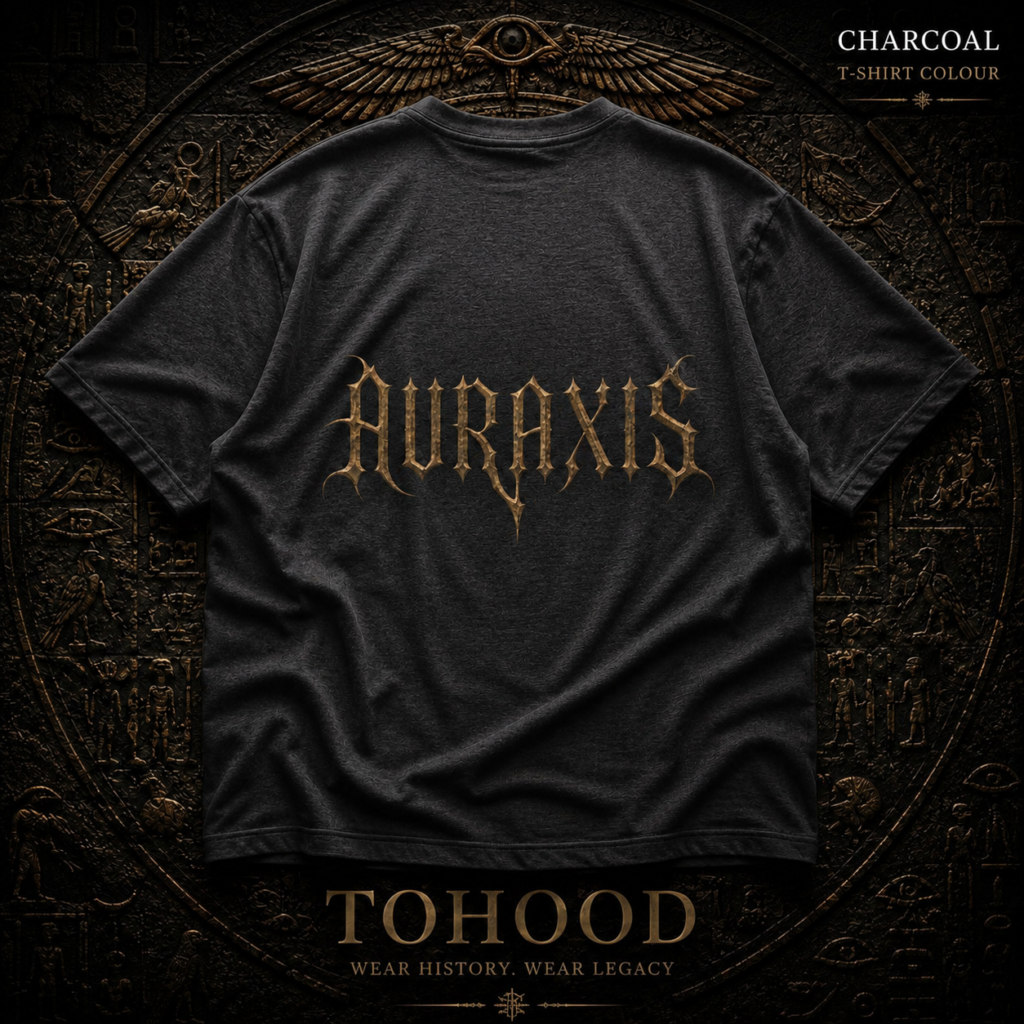
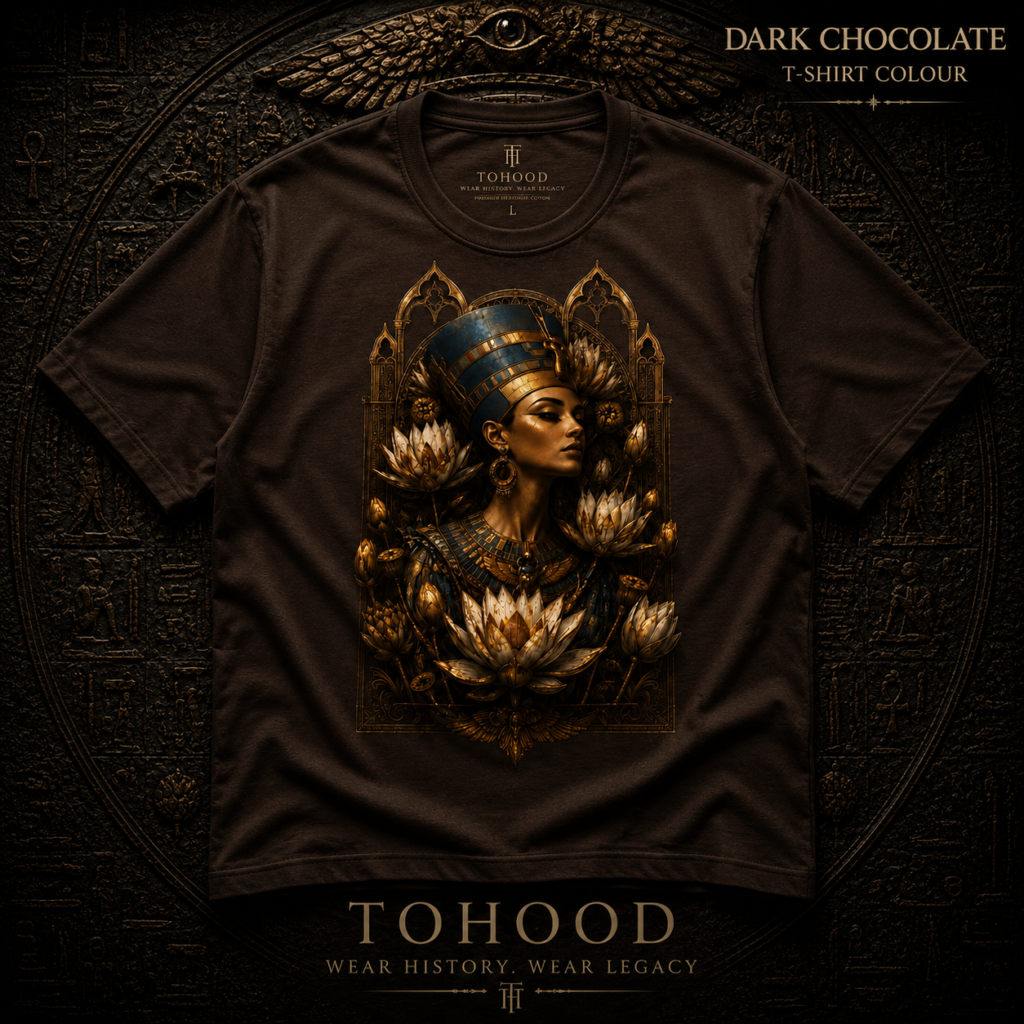
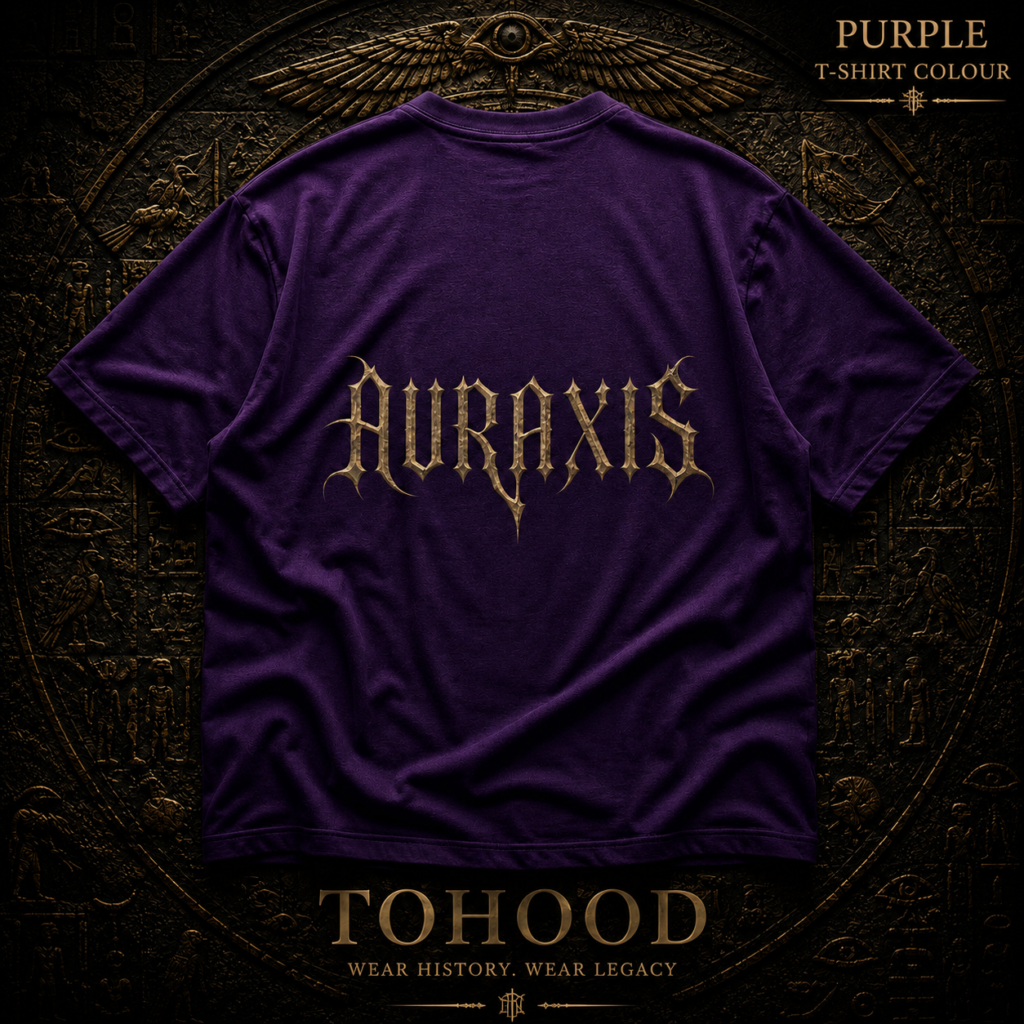
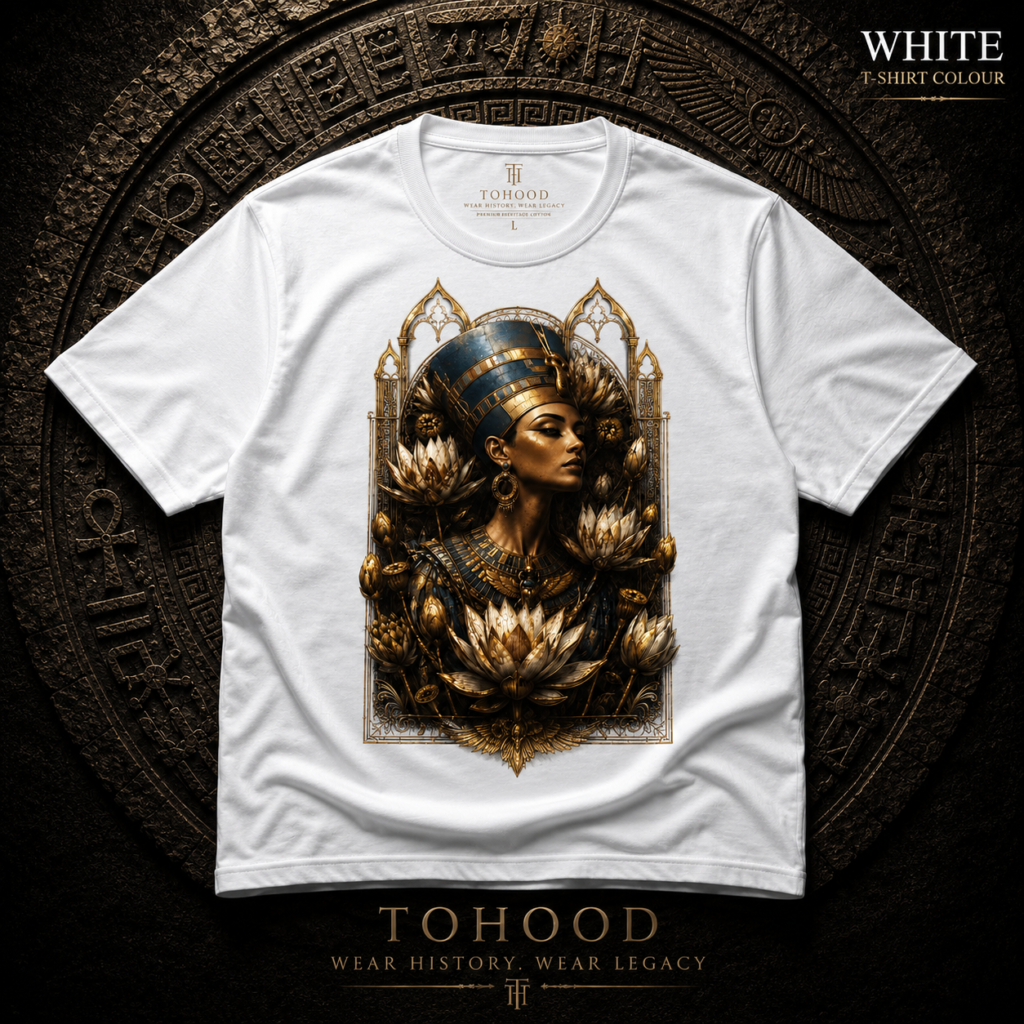
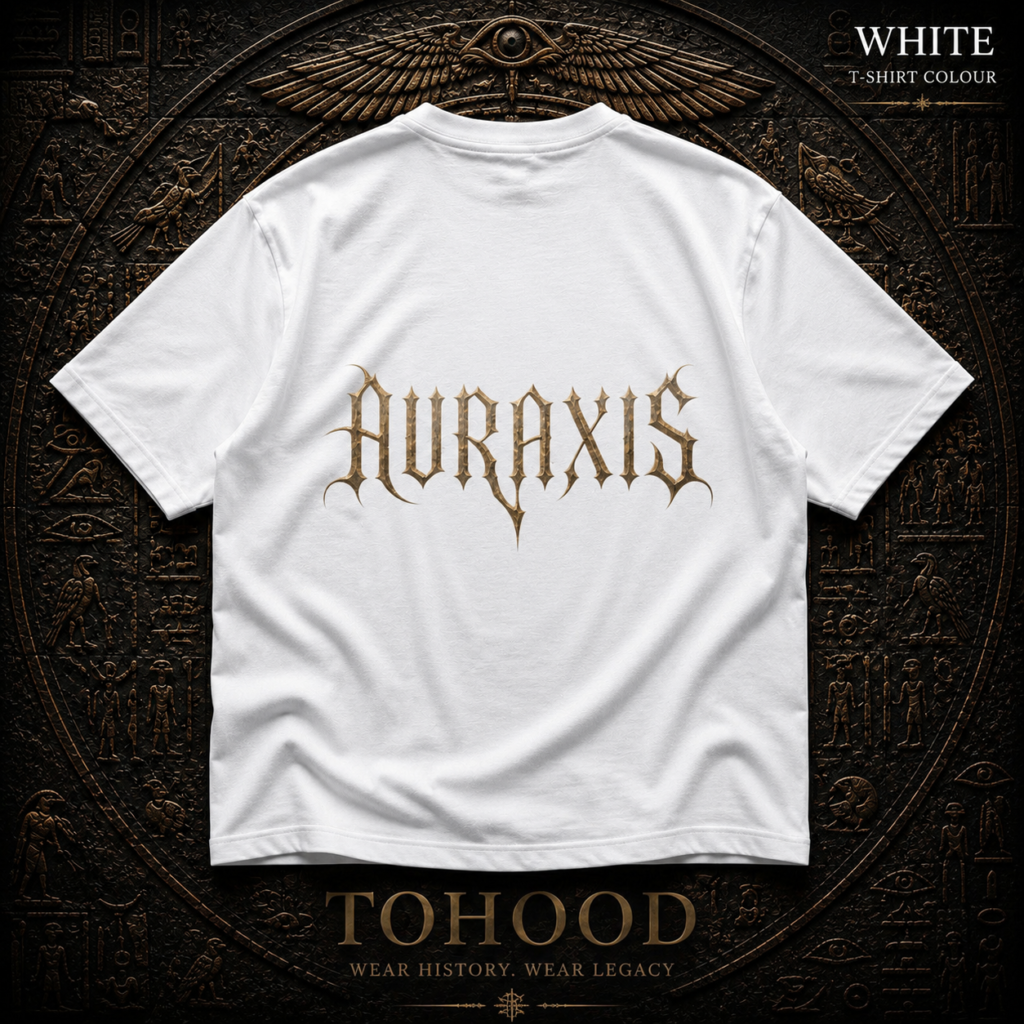
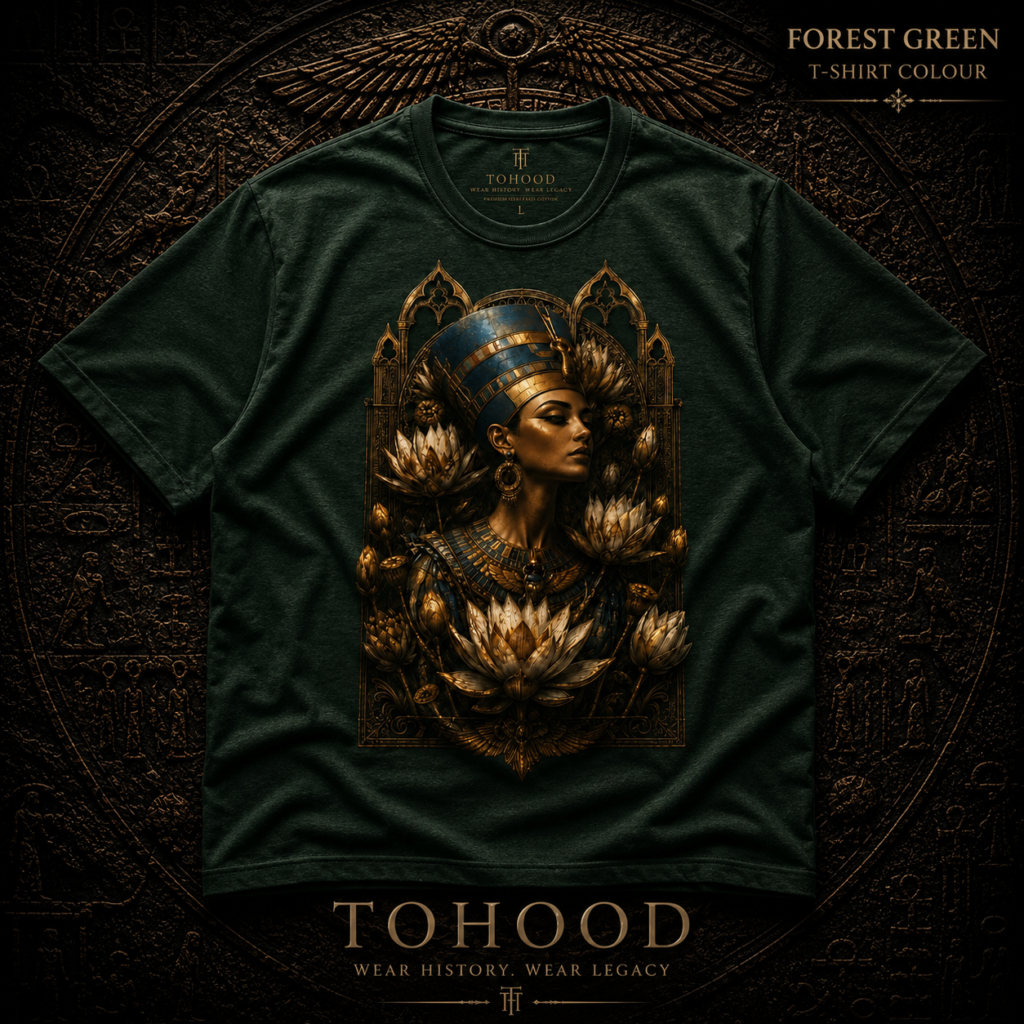
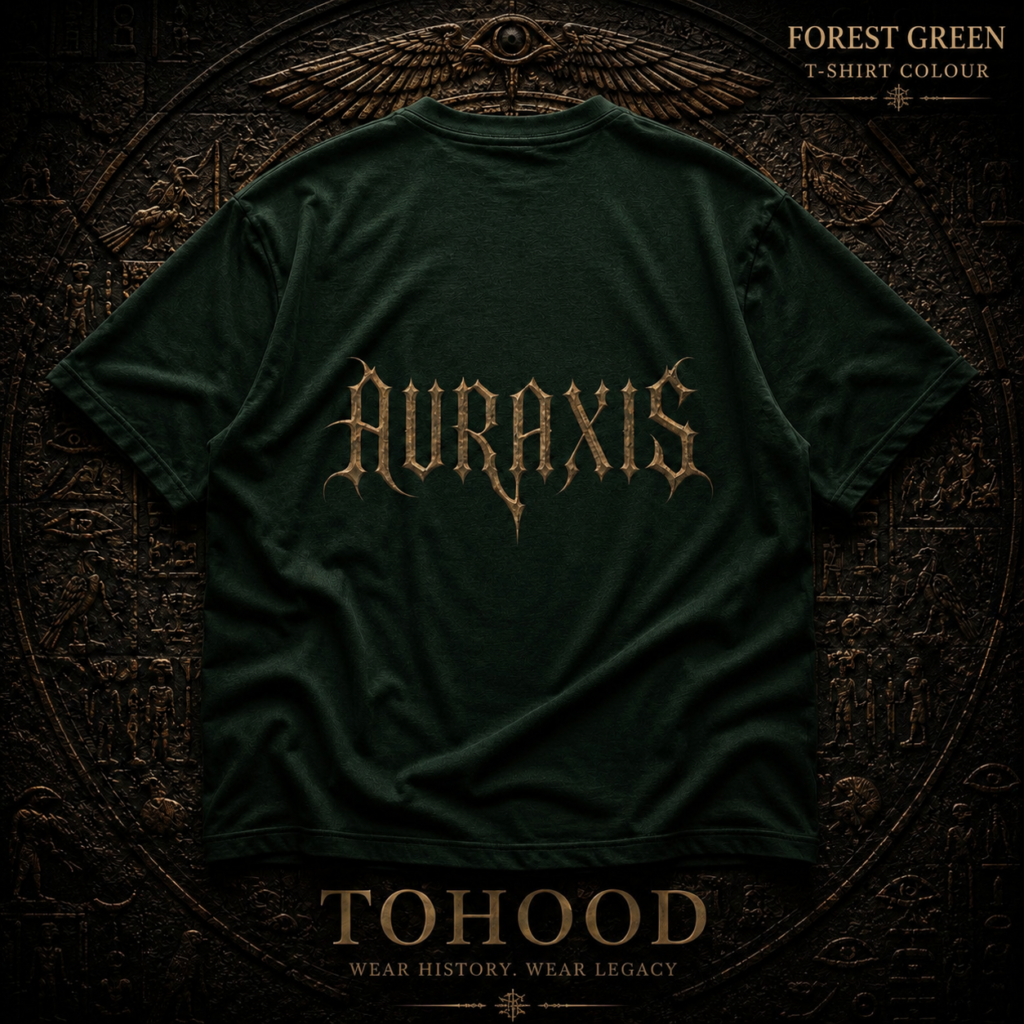
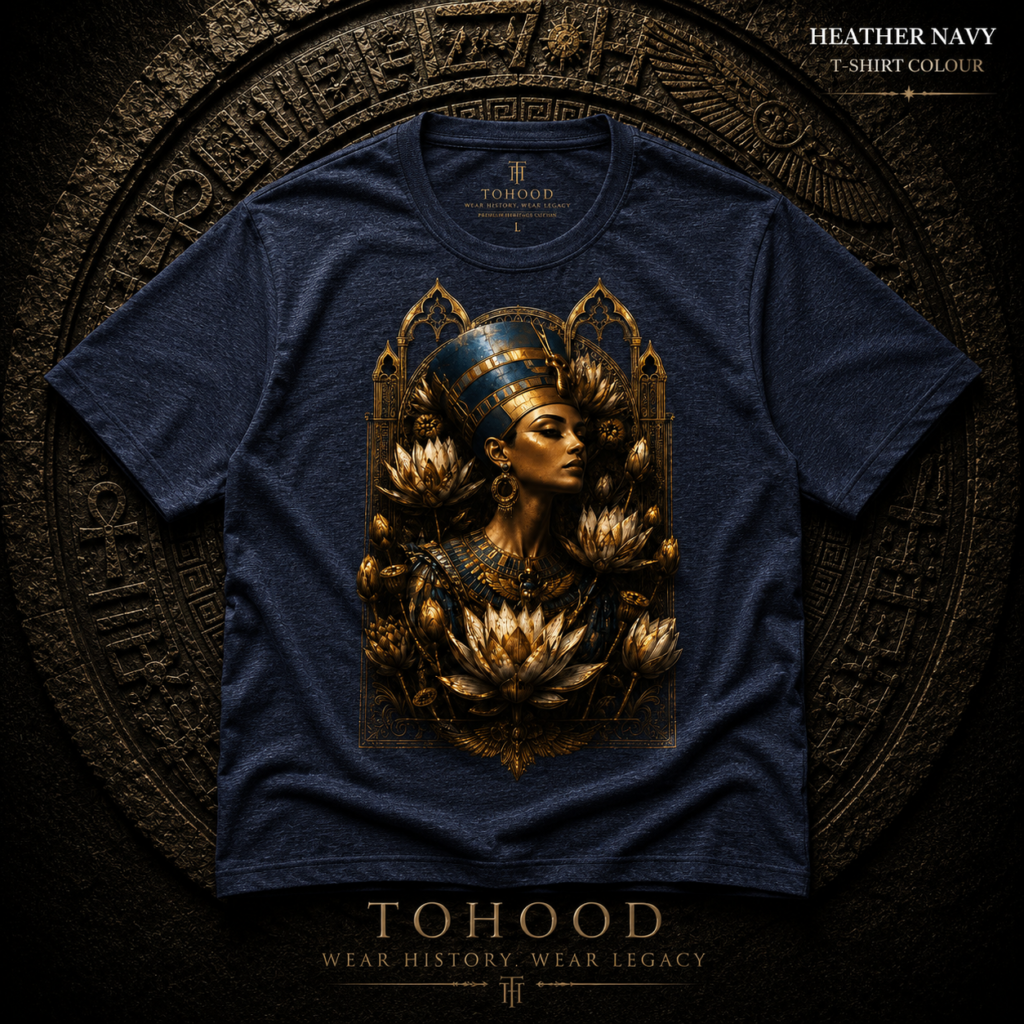
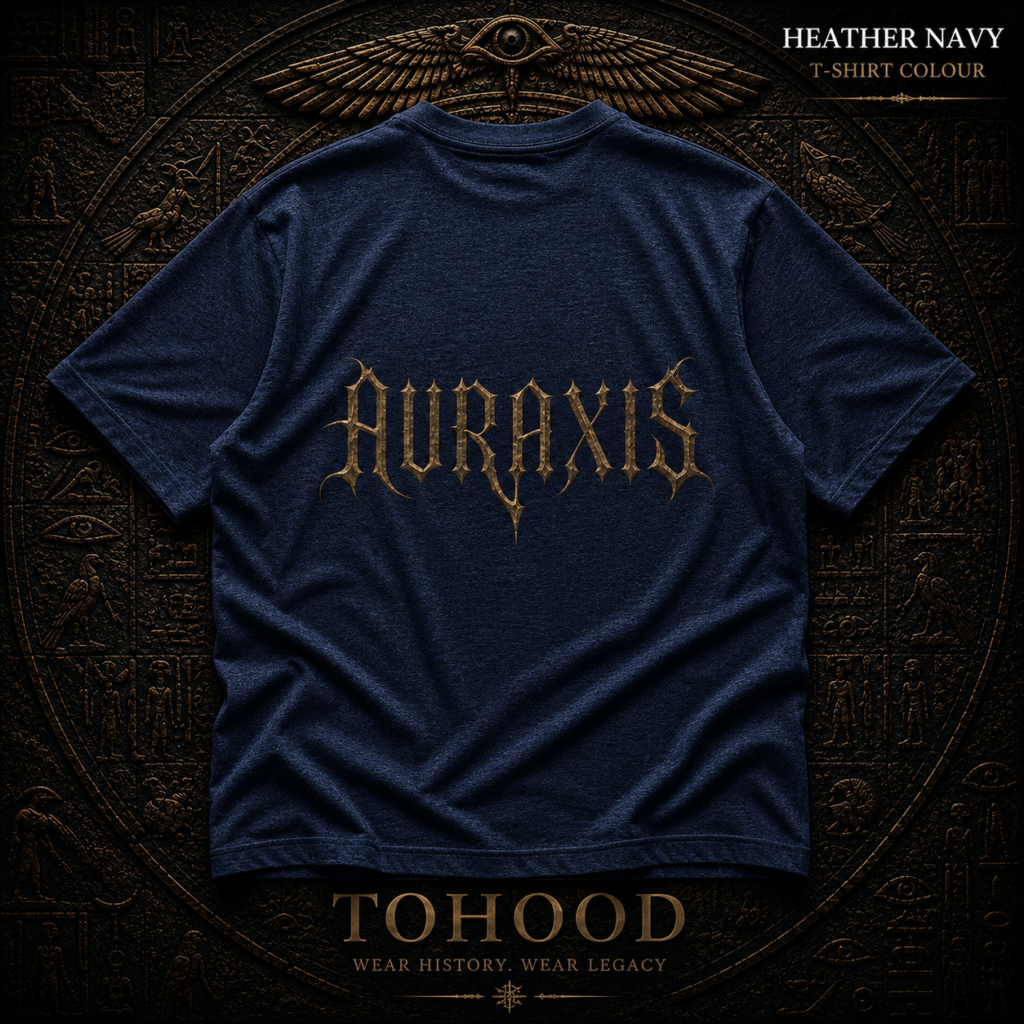
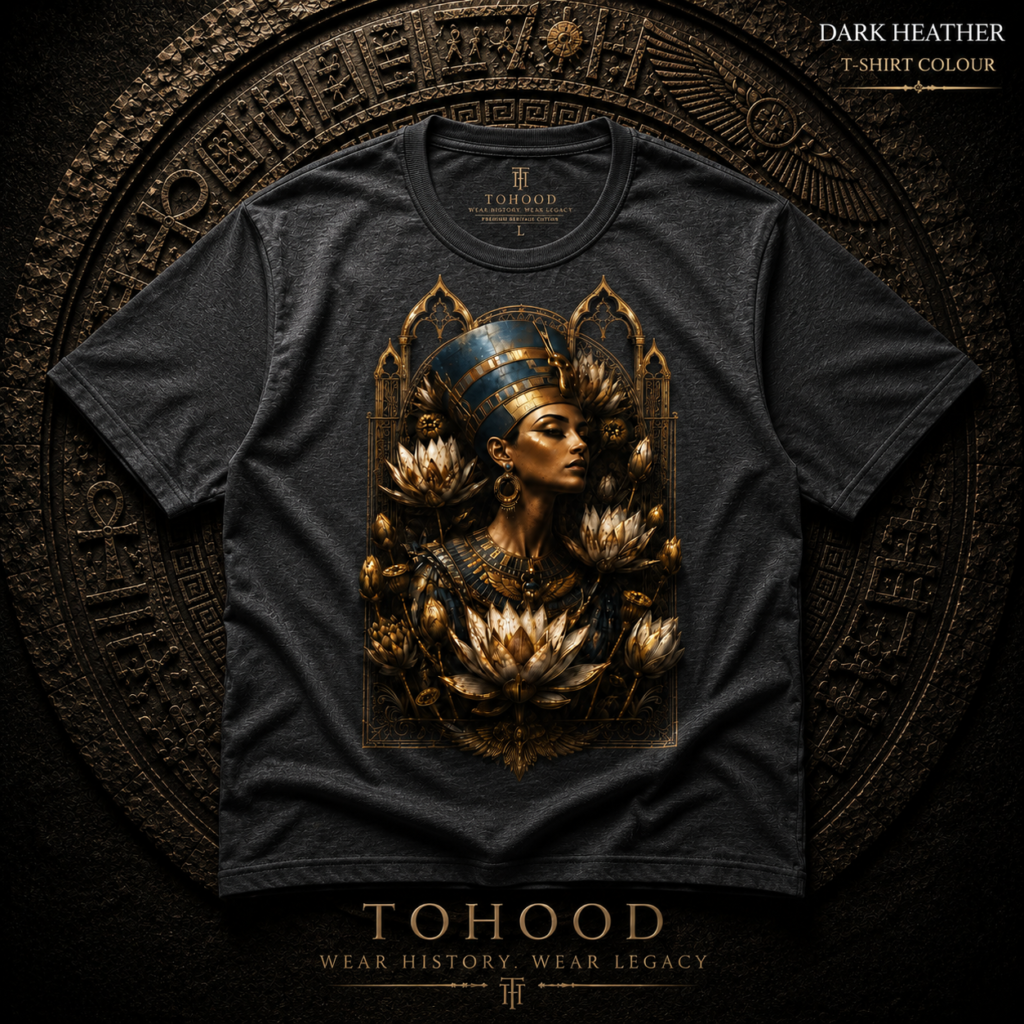
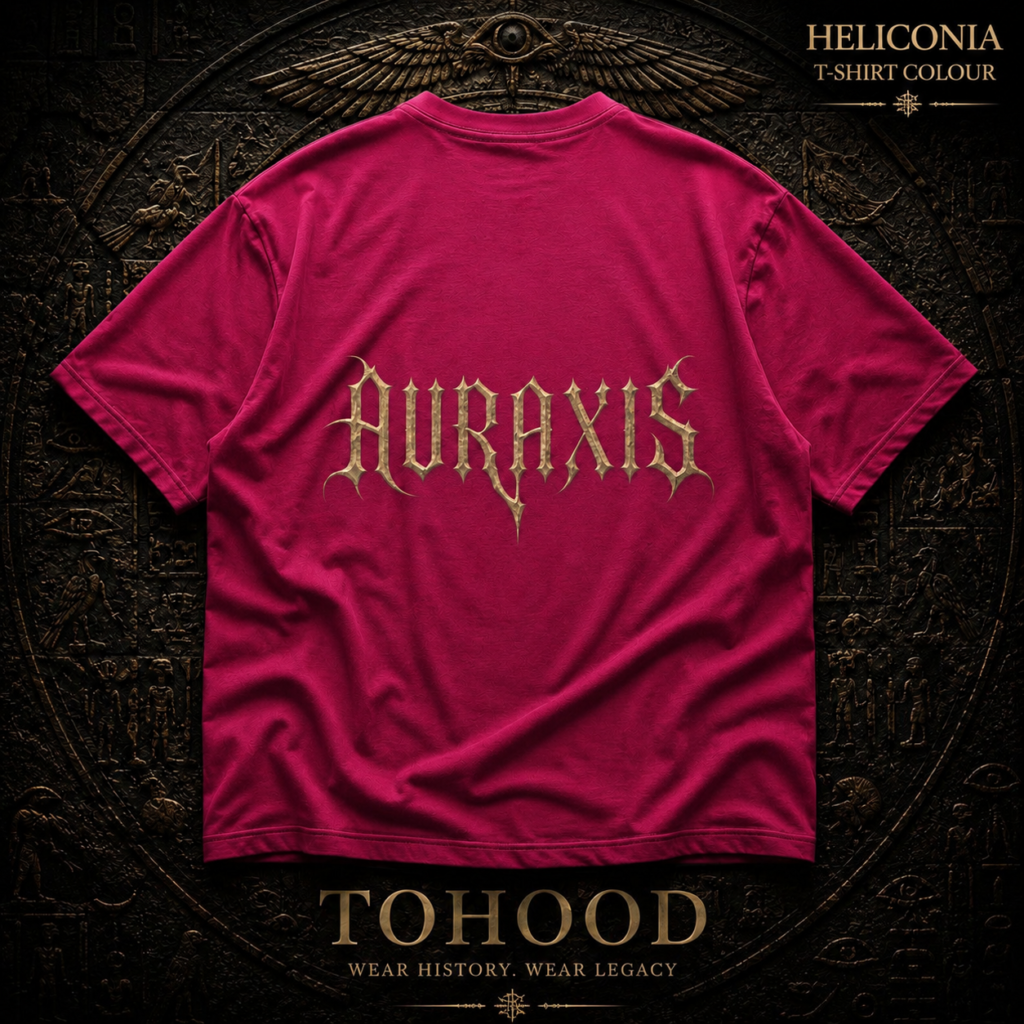
The Story Behind TOHOOD’s Pharaoh Graphic Crewneck
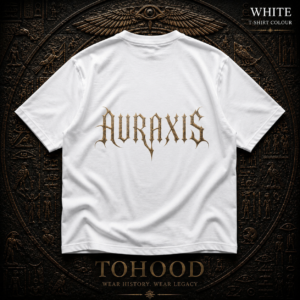
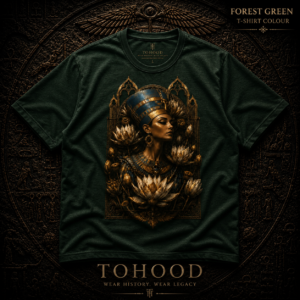
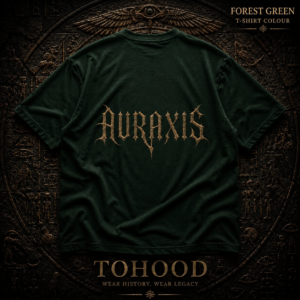
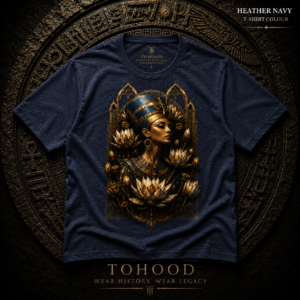
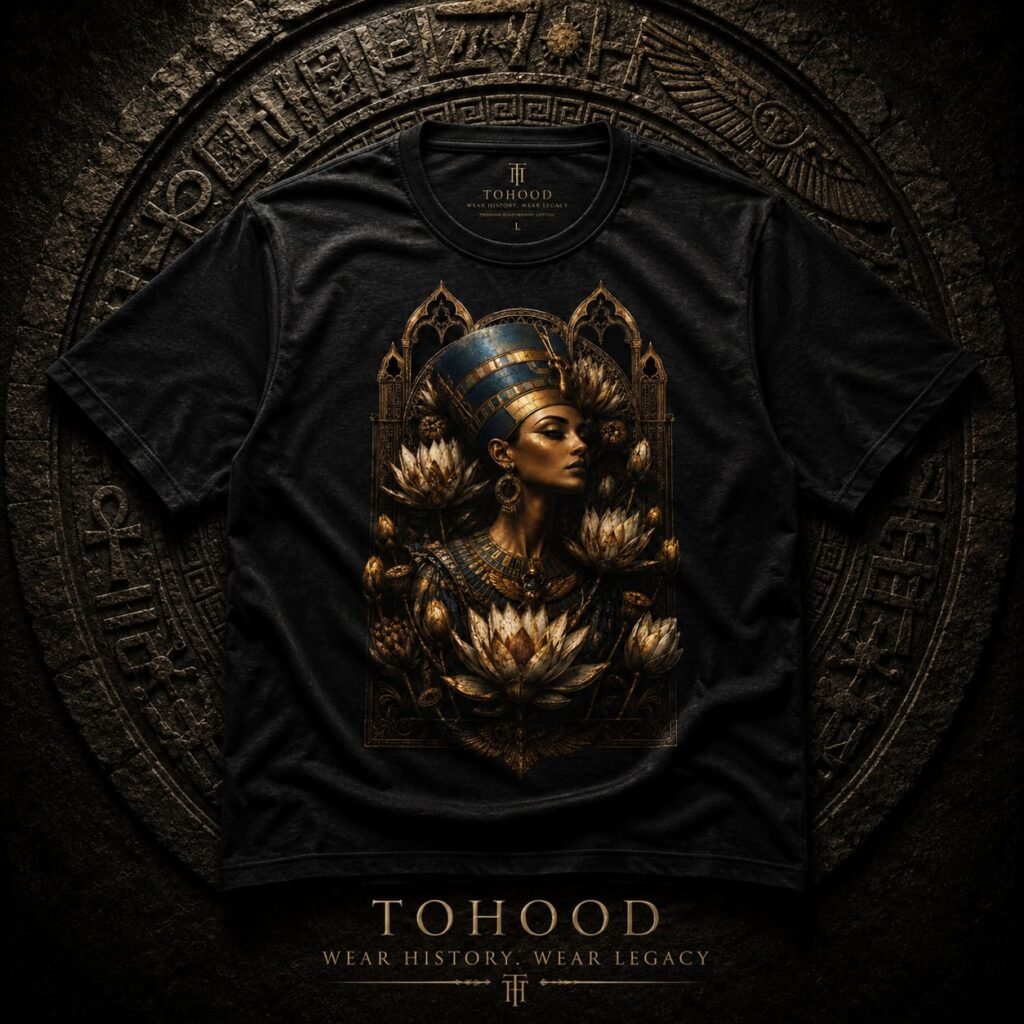
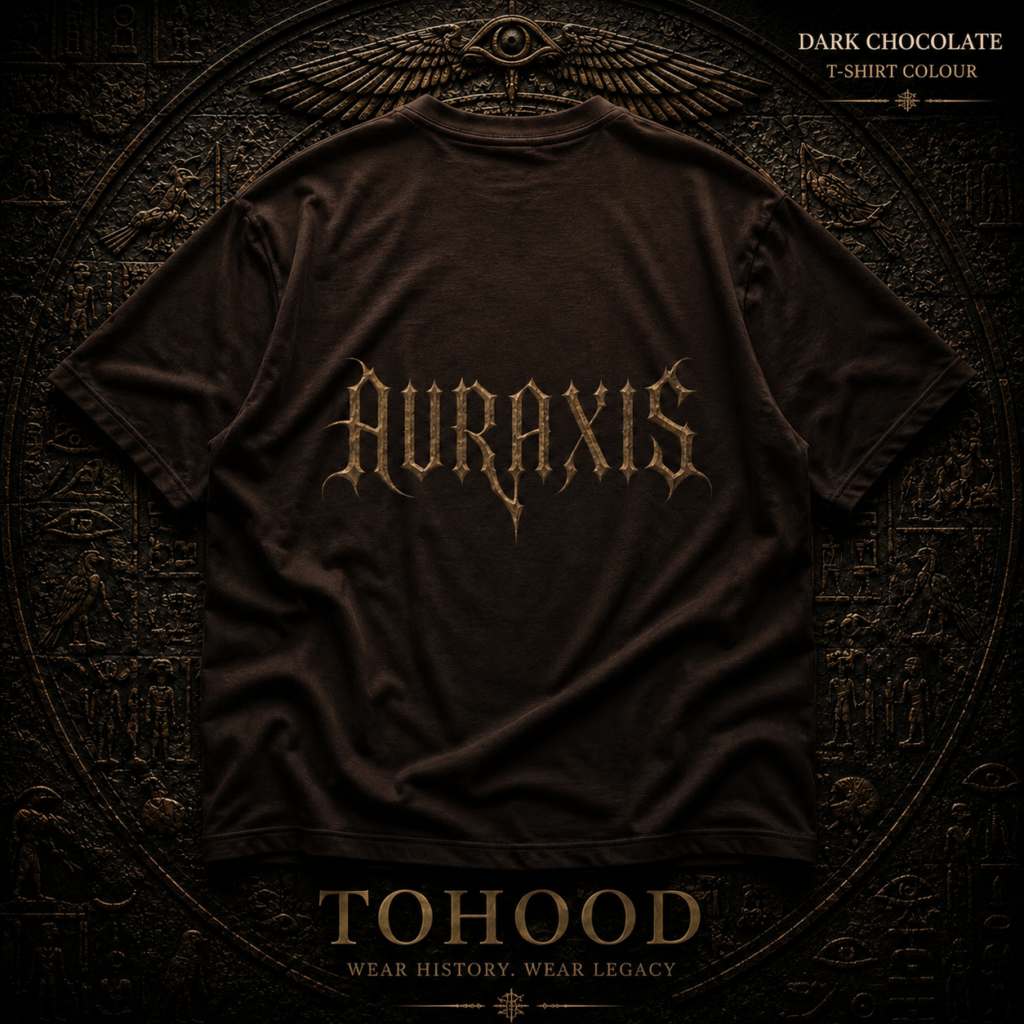
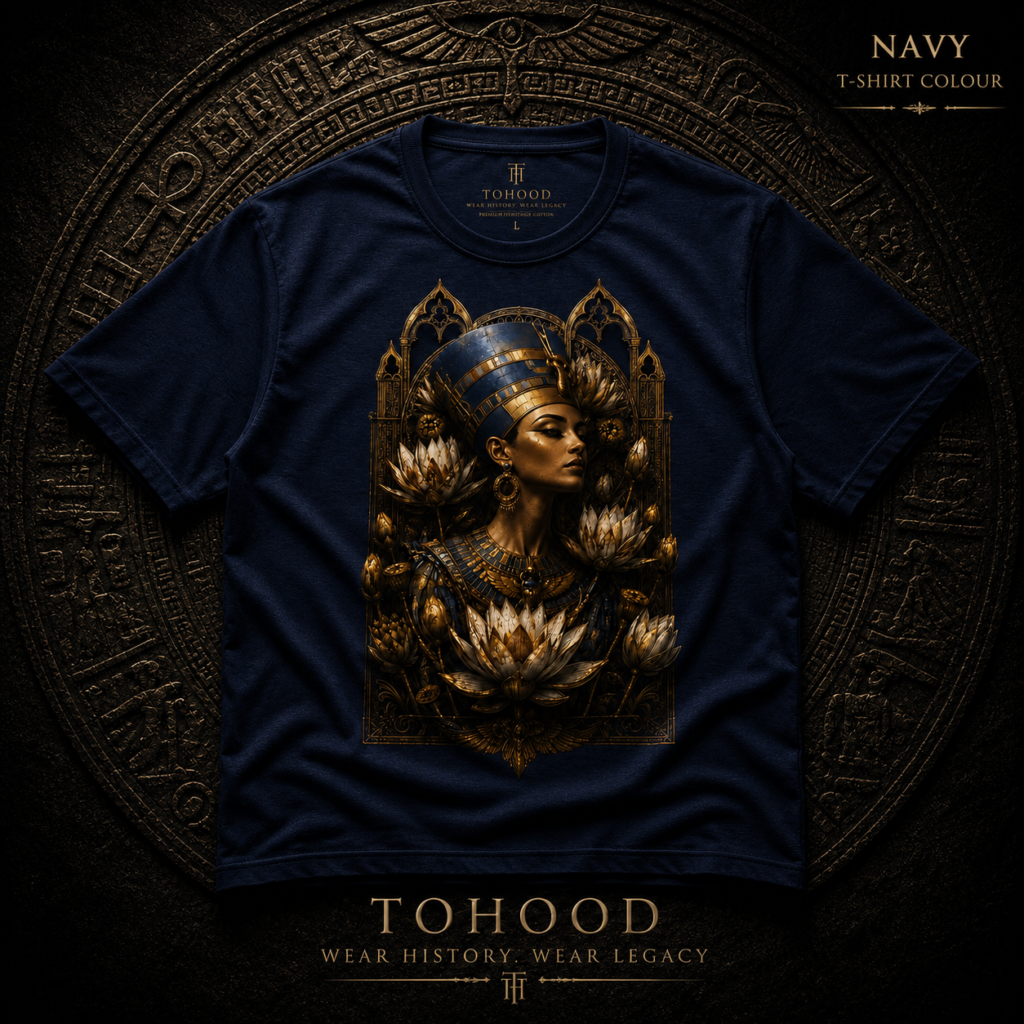
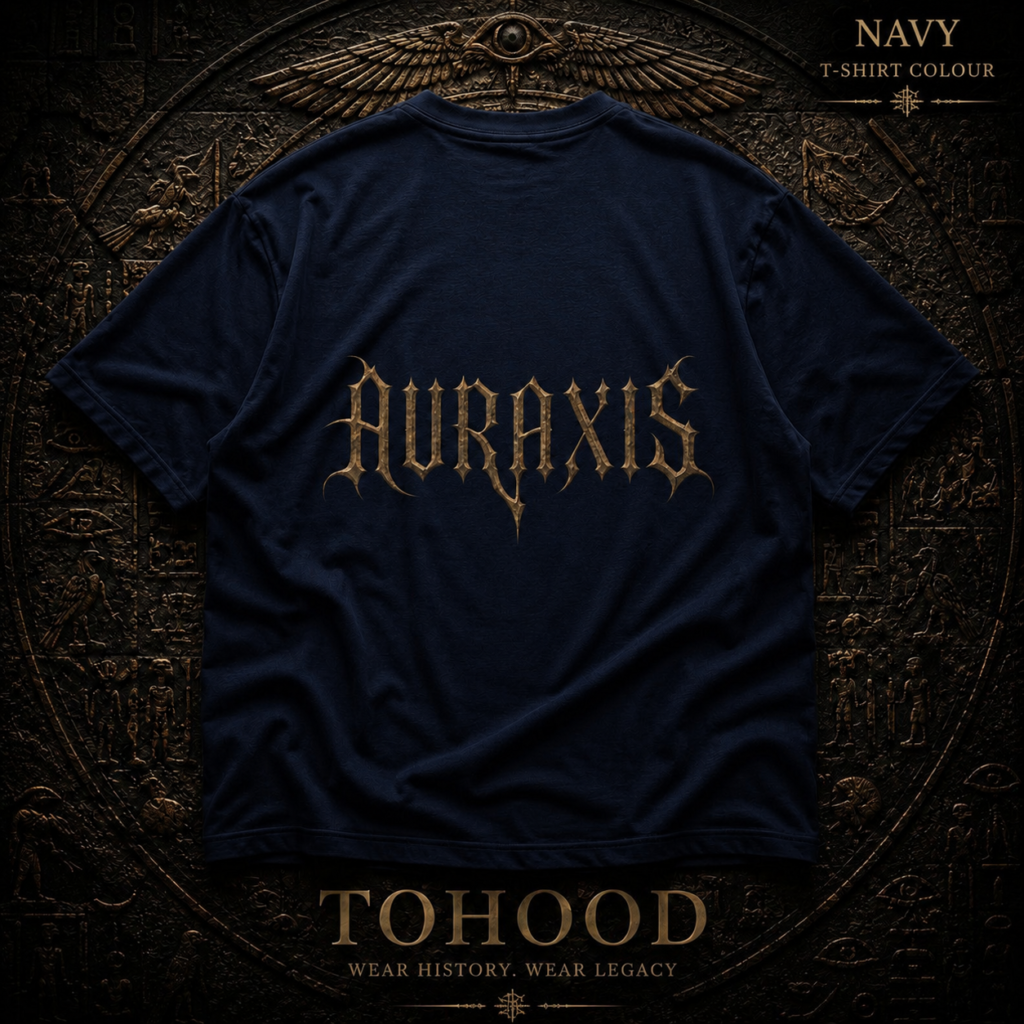
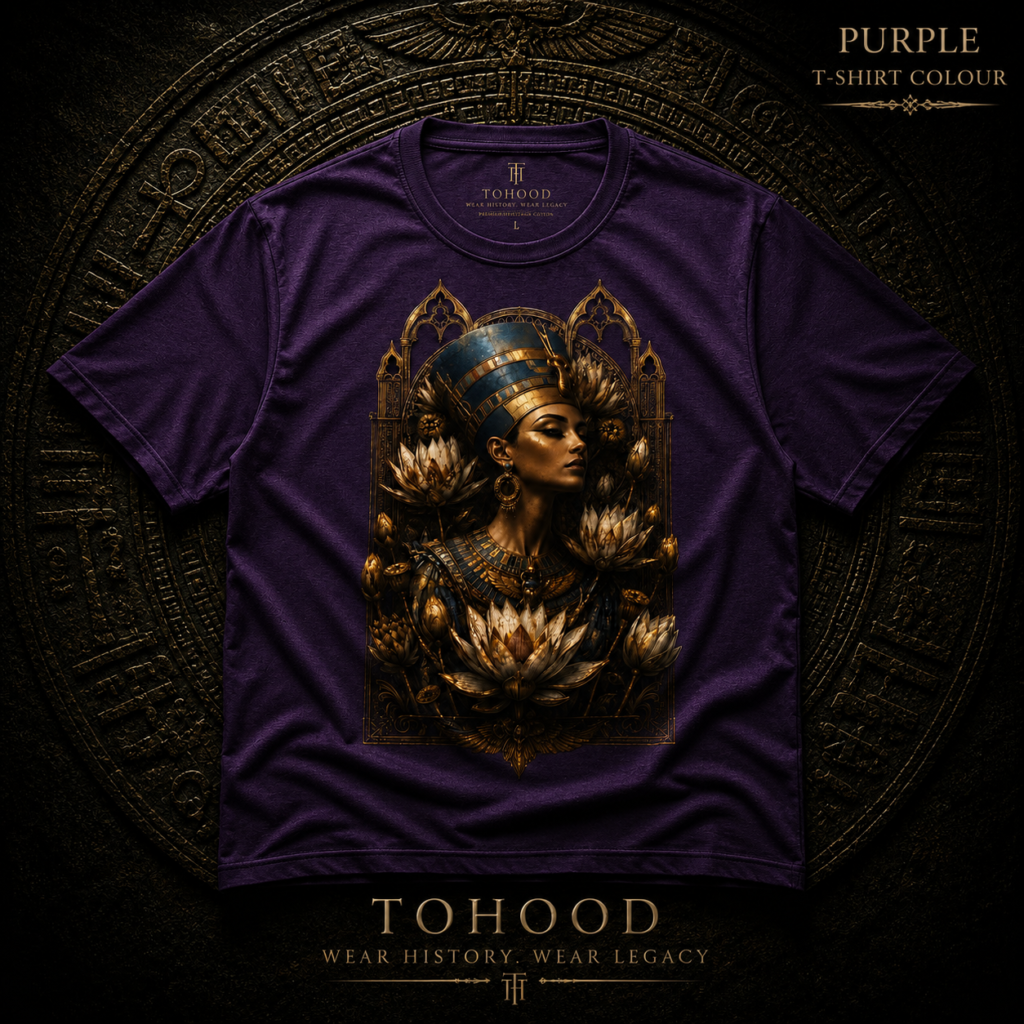
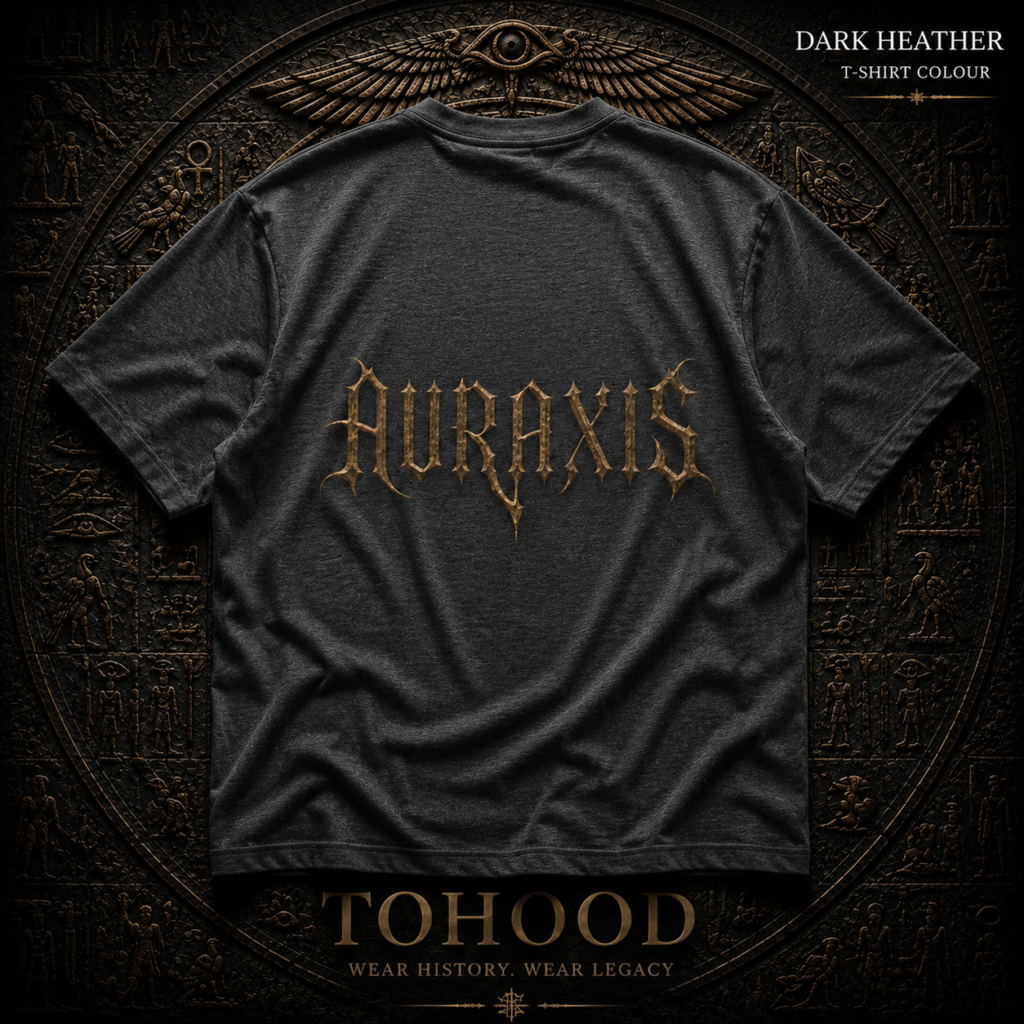
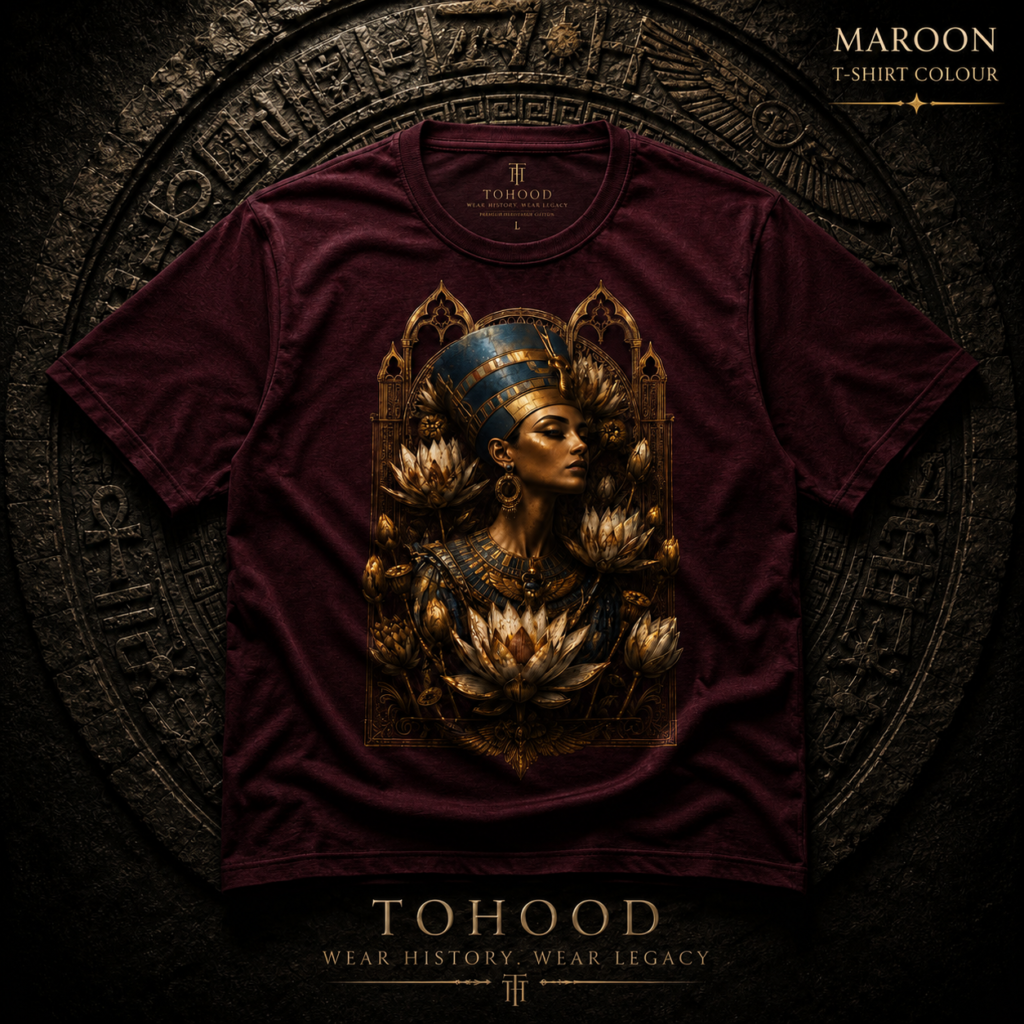
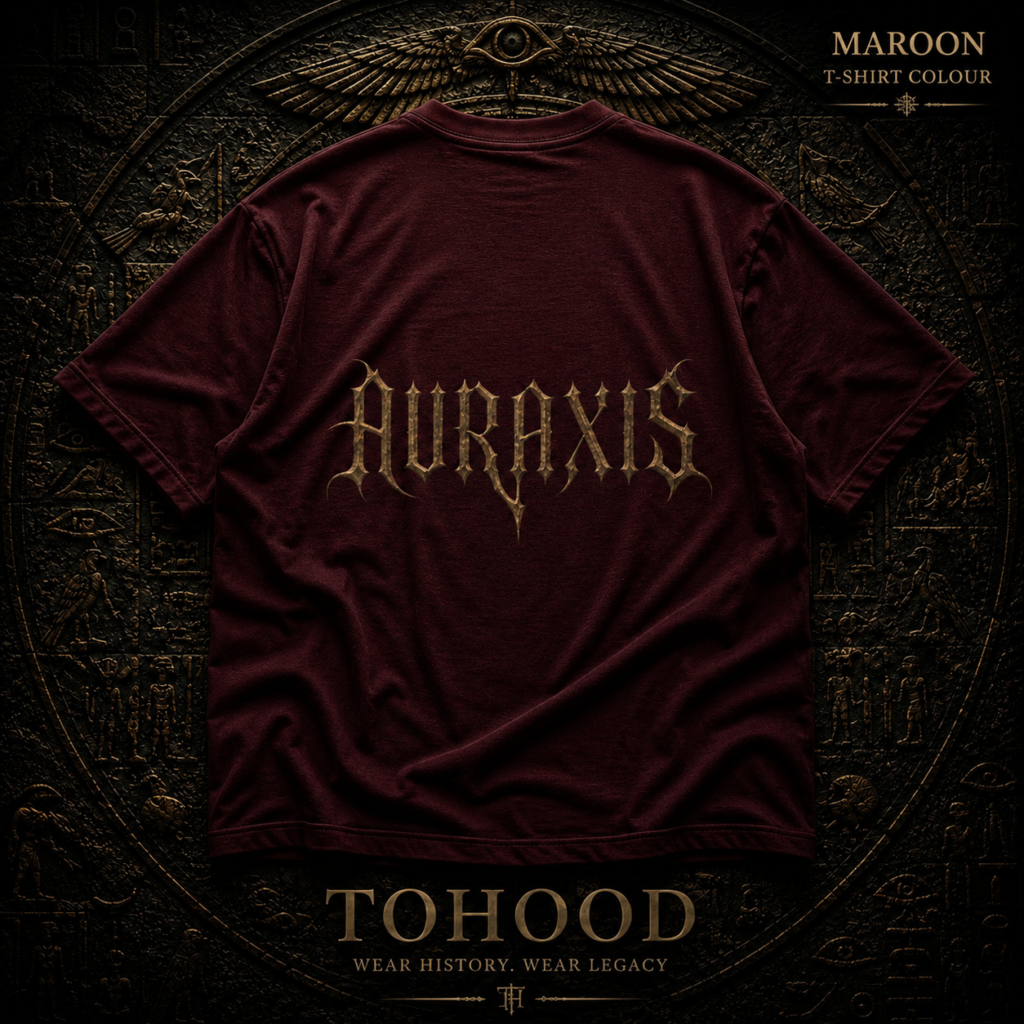
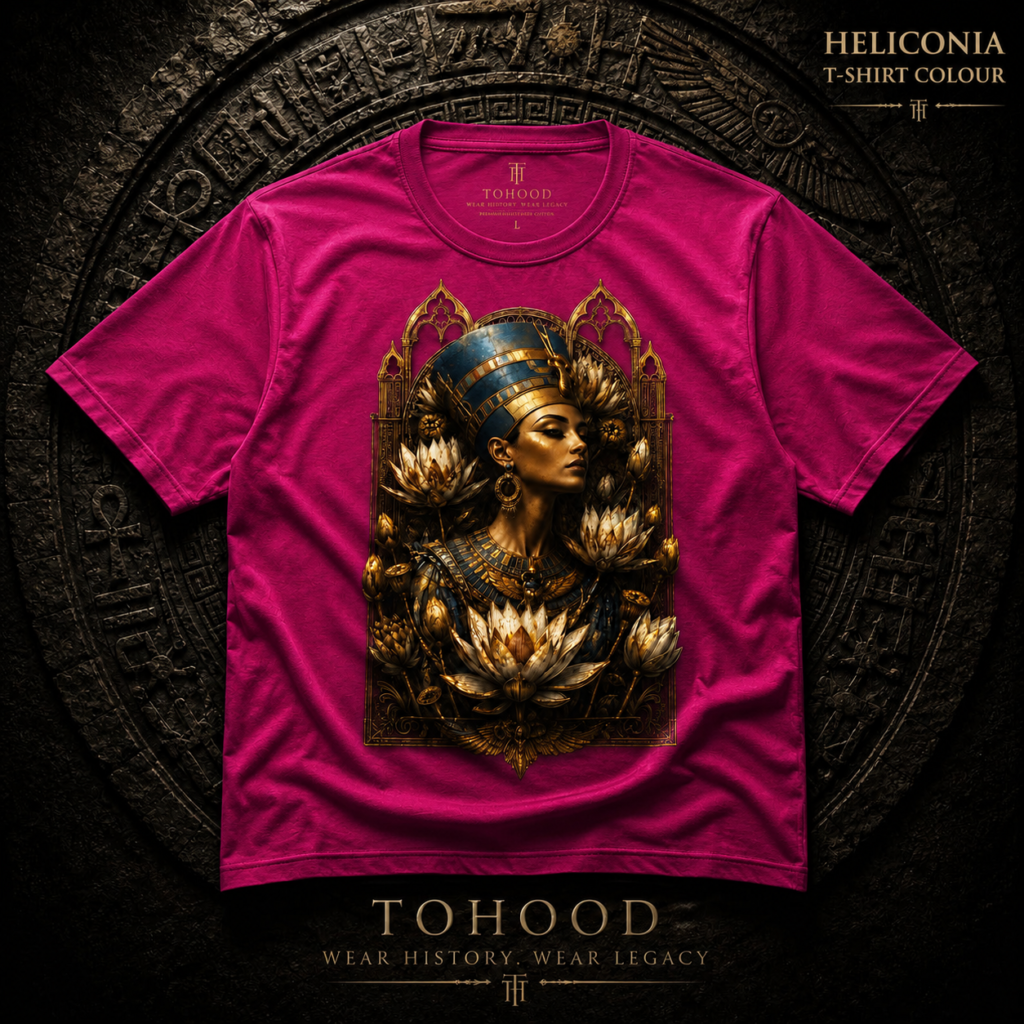
TOHOOD’s Pharaoh Graphic Crewneck takes inspiration from this visual tradition.
The purpose isn’t to reproduce a museum artifact or claim that a modern garment represents an authentic ancient Egyptian object.
It is an interpretation of Egyptian royal imagery through contemporary streetwear.
The pharaoh becomes a visual statement about:
authority
legacy
strength
history
identity
The ancient source provides the symbolism.
The modern garment provides the context.
And the wearer gives the image its contemporary meaning.
Why Pharaoh Imagery Feels So Powerful
The pharaoh represents something that modern culture rarely communicates visually:
power designed to outlast the individual.
A modern person may be remembered through photographs.
A pharaoh was represented through statues, temples, inscriptions and monuments intended to survive generations.
The image therefore carries an unusual sense of permanence.
Stone.
Gold.
Crowns.
Names.
Monuments.
Symbols.
Everything reinforces the idea of legacy.
That may be one reason Egyptian royal imagery continues to feel powerful thousands of years later.
What Does a Pharaoh Symbolize Today?
In modern visual culture, pharaoh imagery can represent:
- power
- leadership
- authority
- legacy
- wealth
- ambition
- protection
- royalty
- ancient wisdom
- cultural fascination
- permanence
But these modern meanings shouldn’t be confused with the full religious and political context of ancient Egypt.
A contemporary fashion design can borrow a symbol without reproducing its original cultural function.
That distinction is important.
Frequently Asked Questions
What is a pharaoh?
A pharaoh was the ruler of ancient Egypt. The term comes from an ancient Egyptian expression meaning “Great House,” originally referring to the royal estate before becoming associated with the king himself.
What did the pharaoh symbolize?
The pharaoh represented kingship, political authority, religious responsibility and the maintenance of order. Royal imagery also connected the ruler with divine protection and the unity of Egypt.
What did the uraeus mean?
The uraeus was a rearing cobra used as a royal protective emblem. It was associated with protection and royal authority.
What is the nemes headdress?
The nemes is a striped royal headcloth strongly associated with Egyptian kings. It is one of the most recognizable elements of pharaonic imagery.
Why did pharaohs wear crowns?
Different crowns communicated different aspects of kingship. The White Crown was associated with Upper Egypt, the Red Crown with Lower Egypt, and the combined double crown represented the united kingdom.
What is a cartouche?
A cartouche is an oval enclosure used around royal names in Egyptian hieroglyphic inscriptions.
Did women become pharaohs?
Yes. Hatshepsut is the most famous example of a woman who assumed the institution and visual language of Egyptian kingship. The Metropolitan Museum’s educational material identifies her as a female pharaoh who first ruled as co-regent before taking kingship in her own right.
Why are Egyptian pharaohs shown with beards?
The ceremonial false beard was part of traditional royal and divine imagery. It helped communicate the ruler’s formal and sacred status.
What is the most famous Egyptian pharaoh?
There is no single historical answer. Tutankhamun is exceptionally famous today because of the discovery of his largely intact tomb, while rulers such as Ramesses II, Hatshepsut, Khufu and Djoser played major roles in ancient Egyptian history.
Final Thought
The pharaoh is one of history’s most successful visual identities.
The crown.
The cobra.
The striped headcloth.
The ceremonial beard.
The throne.
The cartouche.
Each element tells part of a larger story.
But the most important idea isn’t simply royalty.
It is continuity.
Ancient Egyptian kings were represented as figures who maintained order, protected the kingdom and connected the human world with the divine.
Their monuments were designed to outlast individual lifetimes.
Their names were carved into stone.
Their symbols were repeated across temples, tombs and objects.
Thousands of years later, those symbols are still recognizable.
That is the power of visual language.
And it is why ancient Egyptian royal imagery continues to find new life in art, design and fashion.
Ancient power. Modern form.
Explore the TOHOOD Pharaoh Graphic Crewneck
Sources & Further Reading
- The Metropolitan Museum of Art — Kings and Queens of Egypt
- The Metropolitan Museum of Art — Egyptian Art collection
- The British Museum — Symbols of the Pharaoh
- The British Museum — Egyptian sculpture and royal collections
- The Metropolitan Museum of Art — The Art of Ancient Egypt
The Met’s Egyptian Art resources are particularly useful for understanding royal regalia, crowns, the uraeus, cartouches and the visual conventions used to identify kings.
About the Author
TOHOOD Editorial Team
TOHOOD Editorial explores mythology, ancient cultures, symbolism, art and their influence on contemporary visual culture and fashion. Historical claims are researched using museum collections, primary historical material and established scholarly references, while TOHOOD’s own design interpretations are clearly presented as contemporary creative interpretations.