Table of Contents
The moon has fascinated humanity for thousands of years.
Long before modern astronomy explained its phases, civilizations looked toward the night sky and connected the moon with mystery, femininity, time, death, rebirth, dreams, and the unseen world.
Because the moon appears to change throughout the month, it became a natural symbol of transformation.
It disappears.
It returns.
It grows.
It becomes full.
Then it fades again.
This endless cycle made the moon one of the most powerful symbols in mythology.
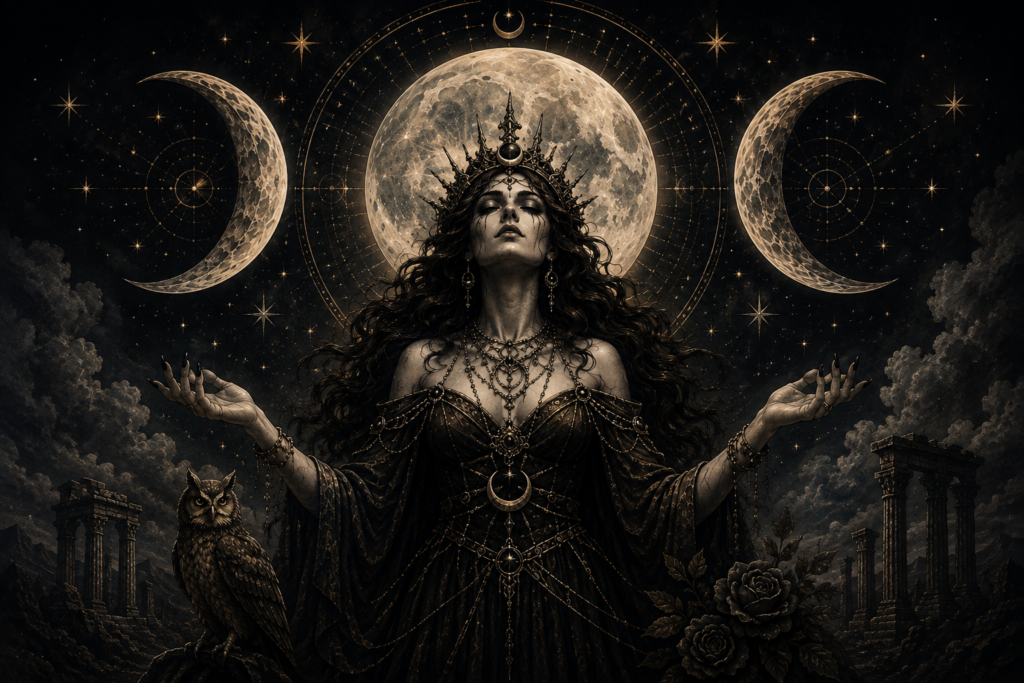
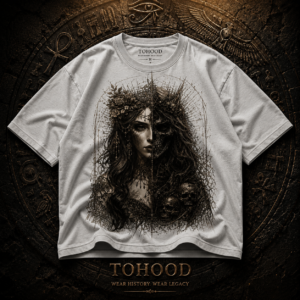
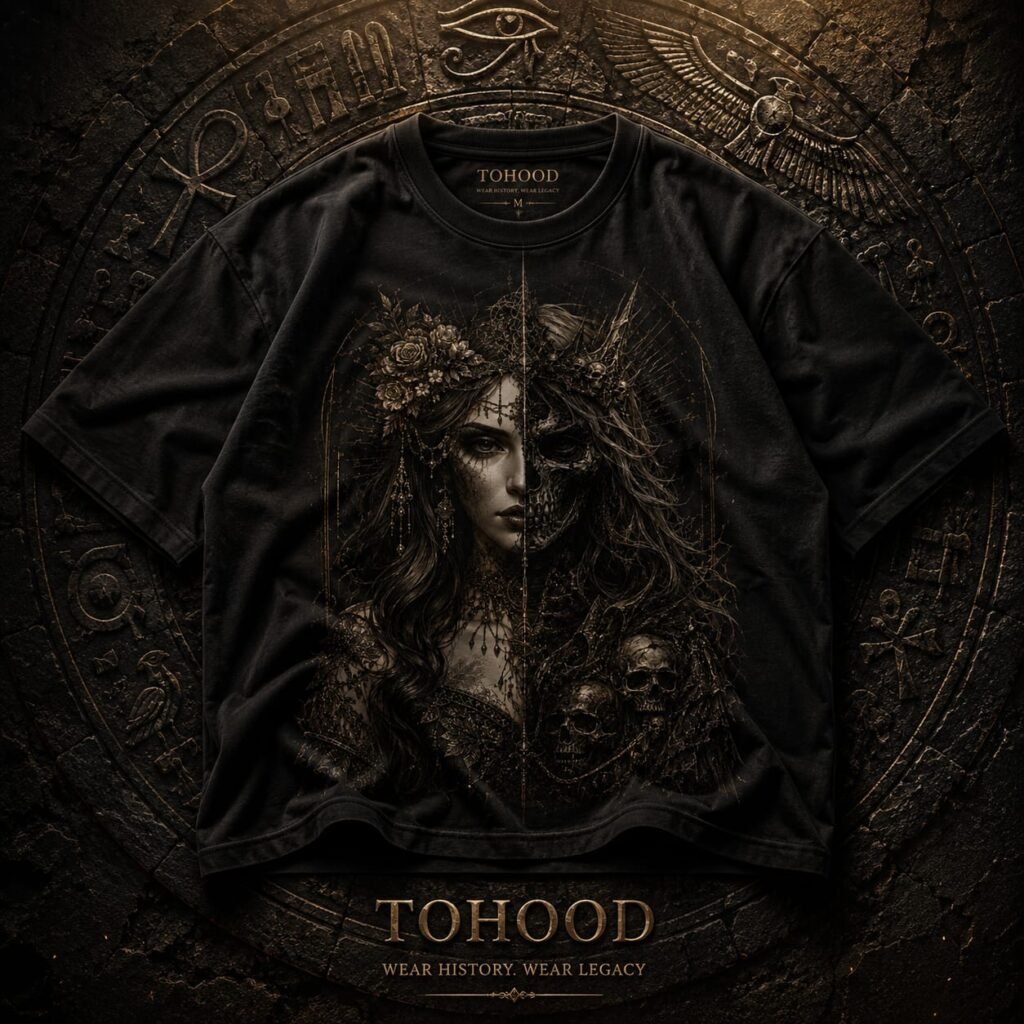
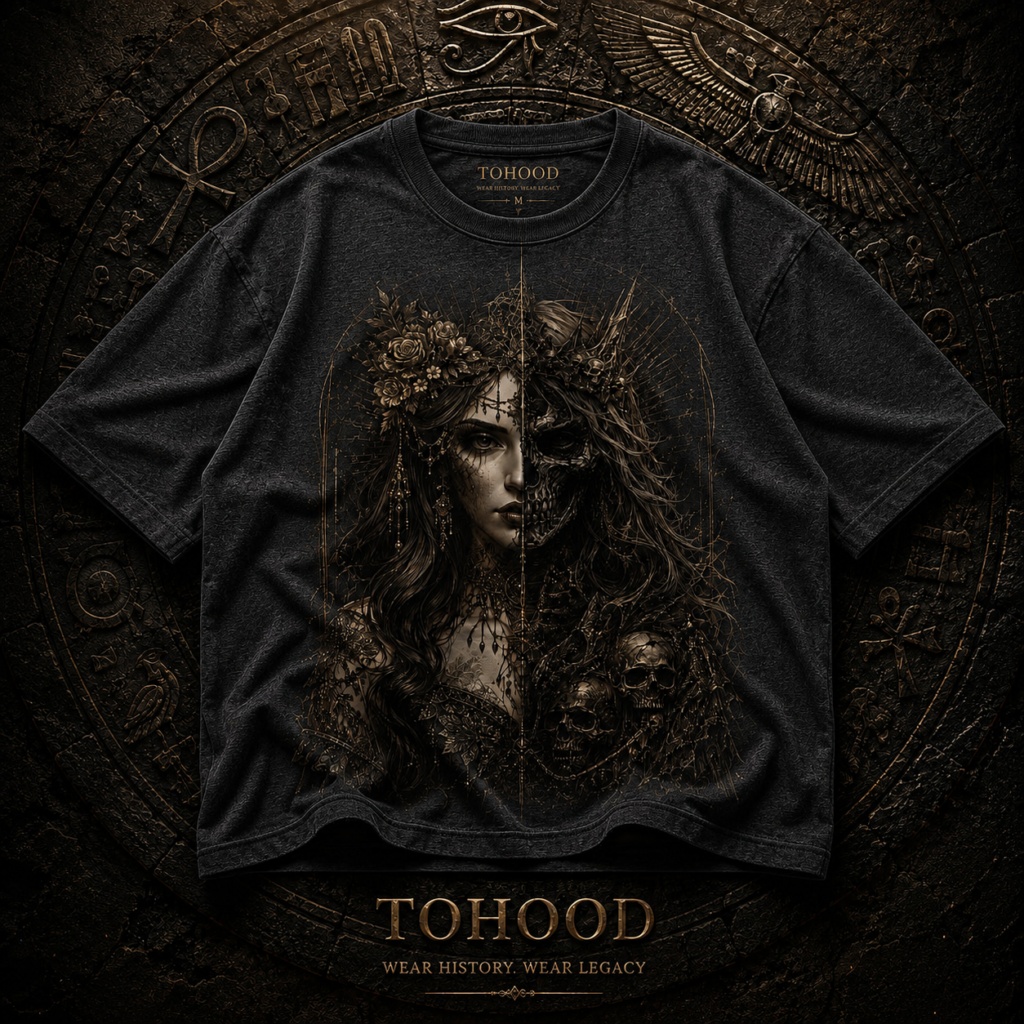
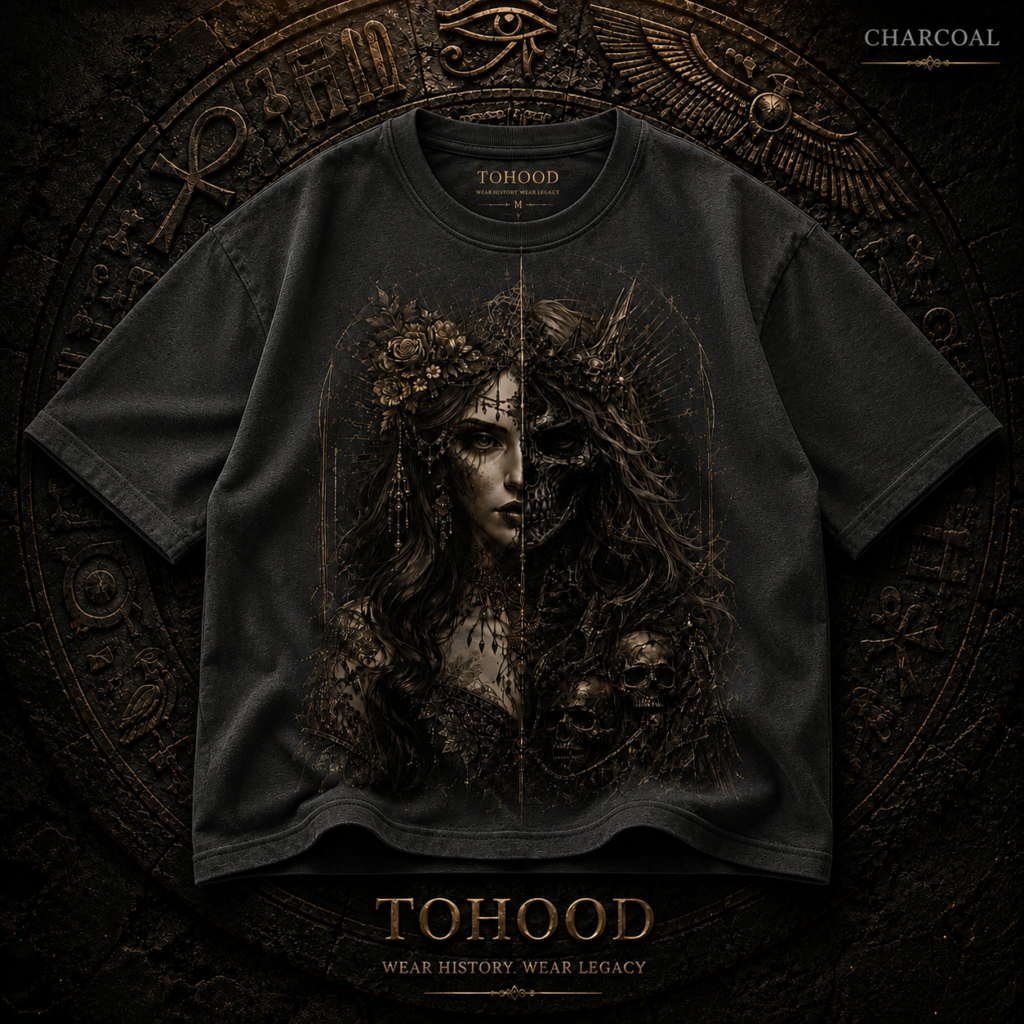
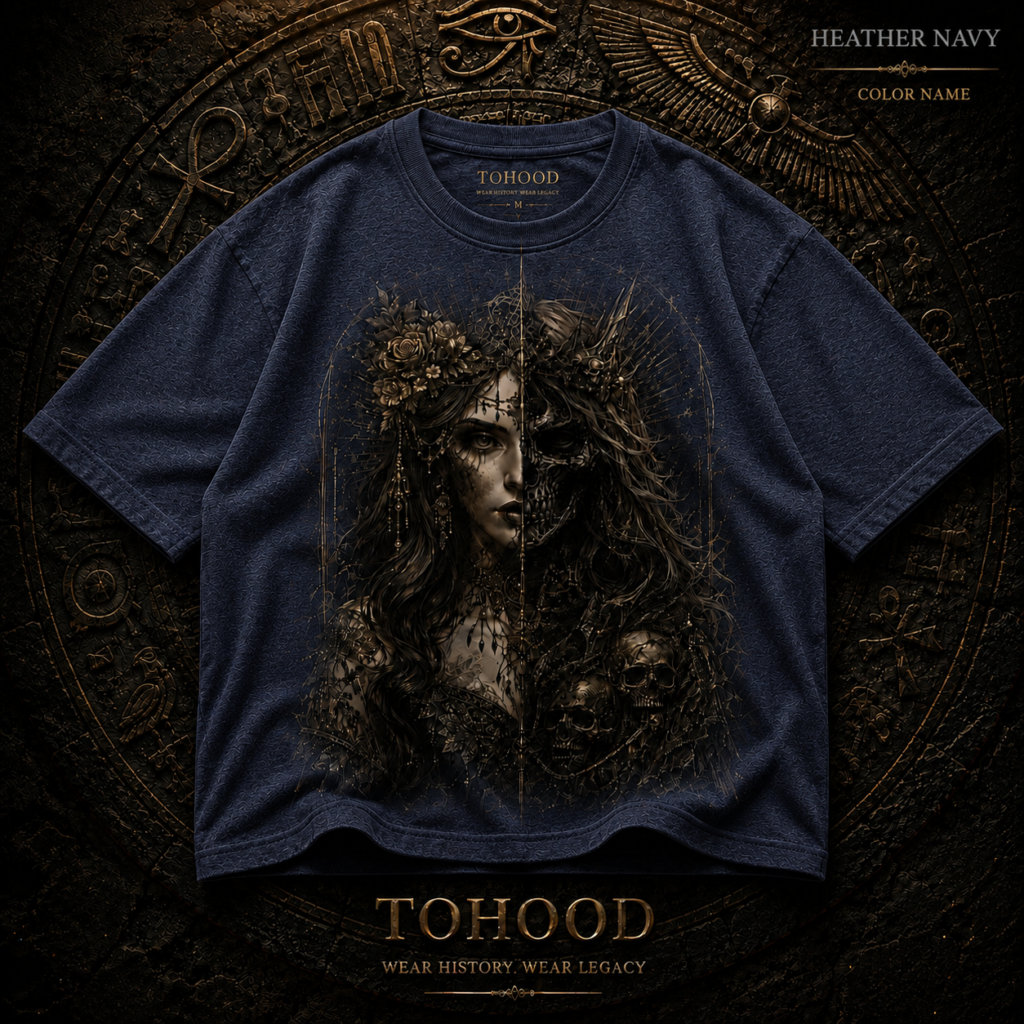
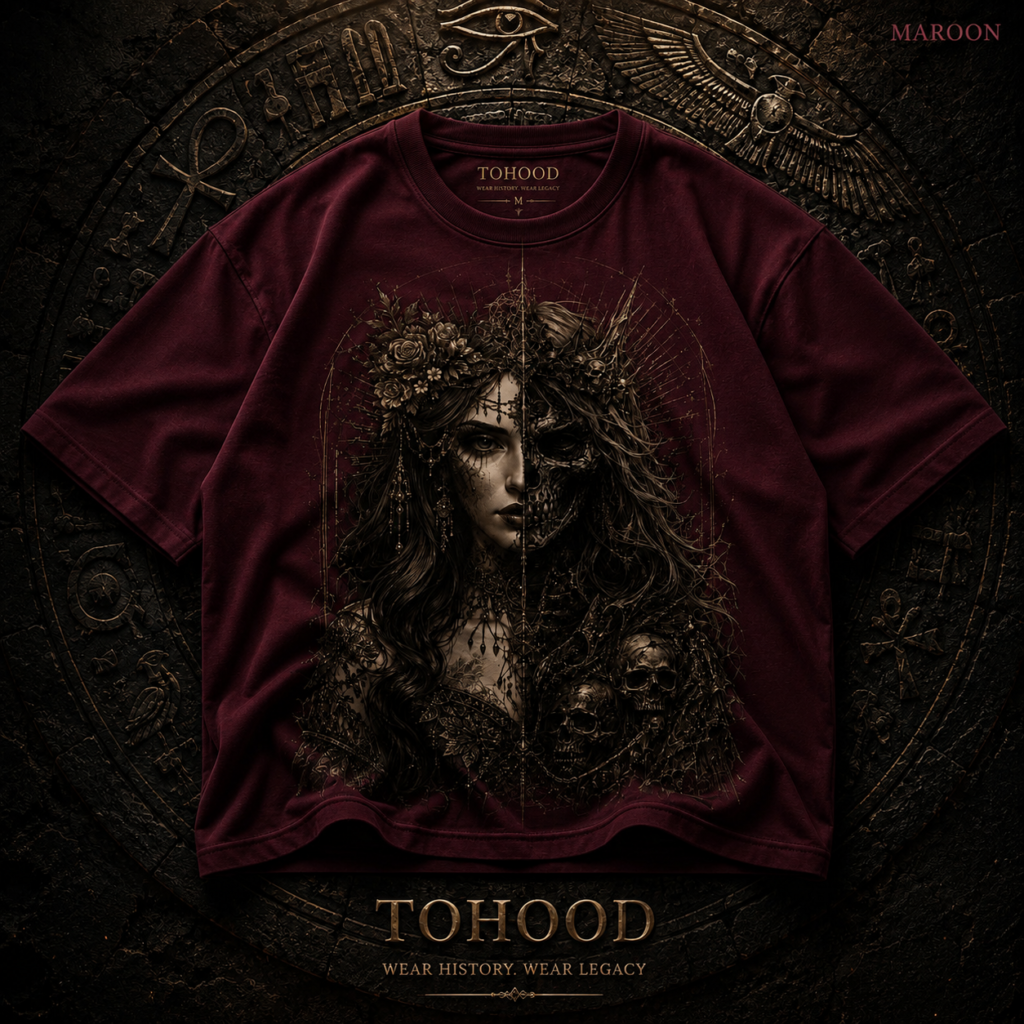
For TOHOOD, moon imagery represents more than a beautiful celestial object. It connects ancient mythology, feminine power, mystery, transformation, and the darker aesthetics of gothic art.
Why Has the Moon Been Important in Mythology?
The moon was one of the most visible objects in the ancient night sky.
Unlike distant stars, it appeared to change dramatically from night to night. Its cycle also roughly corresponded with the length of a month, making it useful for tracking time.
Ancient societies therefore connected the moon with:
- Time
- Cycles
- Change
- Fertility
- Night
- Mystery
- Dreams
- Nature
- Death and rebirth
- Hidden knowledge
The moon became more than something people observed.
It became something they interpreted.
What Does the Moon Symbolize?
The meaning of the moon varies between cultures, but several themes appear repeatedly.
1. Transformation
The moon never looks exactly the same throughout its cycle.
A thin crescent becomes larger.
The moon reaches fullness.
Then it gradually disappears.
This makes the moon a natural symbol of transformation.
It reminds us that change is not necessarily an ending.
Sometimes it is simply another phase.
2. Mystery
The moon illuminates the darkness without completely removing it.
This quality made it particularly suitable for symbolism surrounding mystery and the unknown.
Moon imagery can represent the things we cannot completely understand:
Dreams.
Intuition.
The unconscious mind.
The future.
The unknown.
This is one reason moon imagery works so well in gothic art.
3. Femininity
In many mythological traditions, the moon became associated with feminine deities.
The reasons are complex and varied, but the moon’s cycles were historically connected with concepts such as fertility, menstruation, motherhood, and the rhythms of nature.
This contributed to the development of powerful lunar goddess figures across different cultures.
However, lunar symbolism is not exclusively feminine. Many cultures also worshipped male lunar deities.
The important point is that the moon has historically been connected with both human life and natural cycles.
Selene: The Greek Goddess of the Moon
In ancient Greek mythology, Selene personified the moon.
She was traditionally described as a divine figure who traveled across the night sky.
Selene is often depicted with a crescent moon or lunar imagery, making her one of the most recognizable figures associated with classical moon mythology.
Her mythology reflects the ancient Greek tendency to personify natural forces as divine beings.
The moon was not simply an object in the sky.
It had a personality, a presence, and a story.
Artemis and the Moon
Artemis is another Greek goddess frequently associated with the moon in later traditions.
She is primarily known as a goddess connected with hunting, wilderness, childbirth, and young women.
Over time, Artemis became increasingly connected with lunar symbolism, particularly through her association with Selene and other lunar traditions.
This blending of identities is common in mythology.
Stories evolve.
Different traditions influence one another.
Symbols are reinterpreted across generations.
Diana: The Roman Lunar Goddess
In Roman mythology, Diana was associated with hunting, nature, women, and eventually lunar symbolism.
She became strongly connected with the moon in later Roman religious traditions.
The image of Diana standing beneath the moon became an enduring artistic motif.
For modern gothic and alternative art, Diana represents an interesting combination of:
- Independence
- Nature
- Feminine power
- Mystery
- The wilderness
- Lunar symbolism
Hecate and the Darker Side of the Moon
If Selene represents the celestial beauty of the moon, Hecate is often associated with its darker and more mysterious symbolism.
Hecate is an ancient Greek goddess associated with crossroads, night, magic, ghosts, thresholds, and liminal spaces.
Her connection with darkness and the supernatural made her particularly influential in later occult and gothic interpretations of mythology.
This is where lunar imagery can become much darker.
The moon does not simply represent beauty.
It can represent what exists beyond the familiar.
The threshold between the known and unknown.
The moment between one phase and another.
The crossroads.
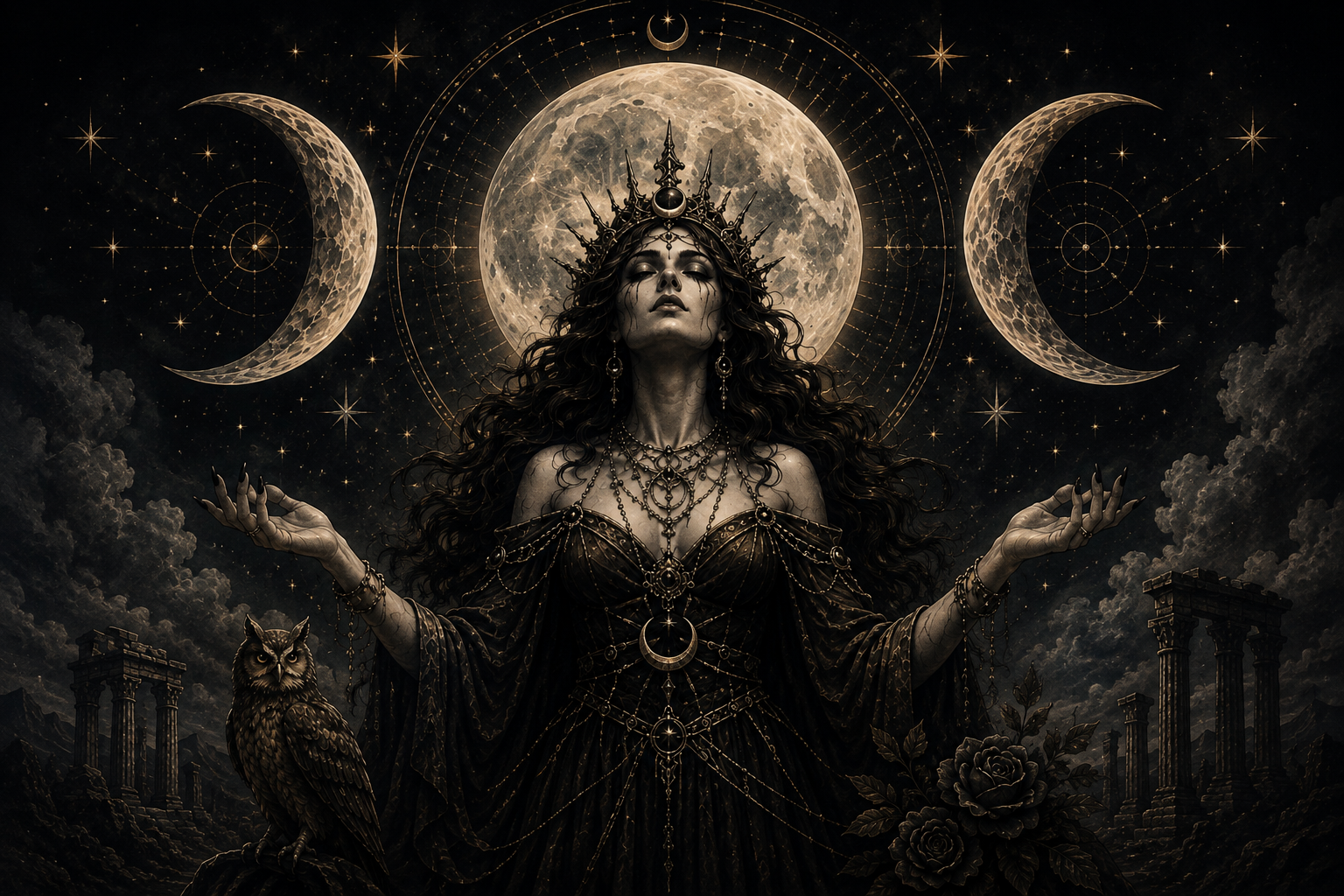
The Triple Goddess Symbol
One of the most recognizable modern interpretations of lunar femininity is the Triple Goddess symbol.
It typically consists of:
Waxing Crescent — Full Moon — Waning Crescent
The three phases are often interpreted as:
Maiden — Mother — Crone
These represent different stages of life and feminine experience.
The Maiden represents youth and potential.
The Mother represents creation, maturity, and abundance.
The Crone represents wisdom, age, and accumulated knowledge.
Together, the three phases communicate a larger idea:
Every stage of life has its own power.
Although the modern Triple Goddess concept is influenced by contemporary spiritual traditions rather than representing one single ancient historical system, it has become an important visual symbol in modern witchcraft, alternative culture, and gothic design.
The Moon and Death
The moon’s relationship with darkness also created connections with death and the afterlife.
Night was historically associated with uncertainty and the unknown.
The moon provided light during that darkness.
This created a fascinating contradiction.
It represented both darkness and guidance.
In gothic art, this contradiction is particularly powerful.
The moon can illuminate a graveyard without eliminating the shadows.
It can reveal a path while keeping the surrounding world mysterious.
That balance between light and darkness is central to the gothic aesthetic.
The Moon and Rebirth
The moon disappears from view during its new moon phase and eventually returns as a crescent.
This cycle naturally inspired ideas about death and rebirth.
Something appears to disappear.
Then it returns.
For this reason, lunar imagery can symbolize:
- Starting again
- Personal growth
- Recovery
- Reinvention
- Spiritual transformation
- Leaving the past behind
The moon therefore carries a message that darkness can be temporary.
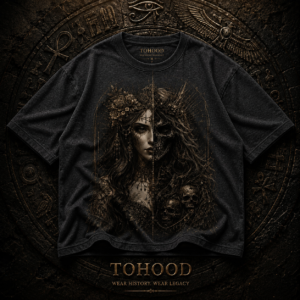
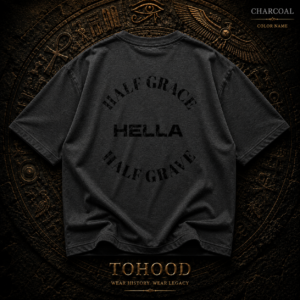
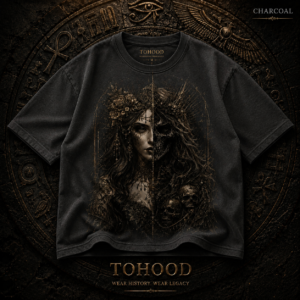
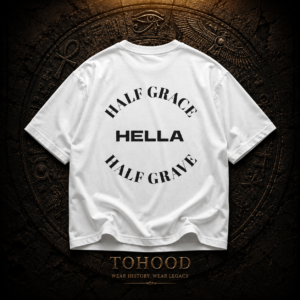
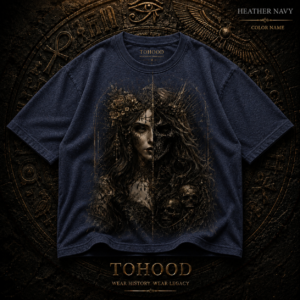
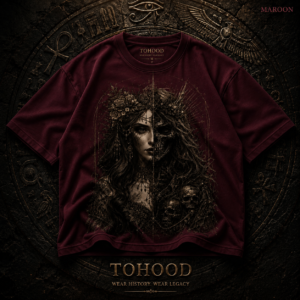
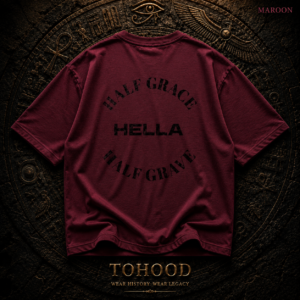
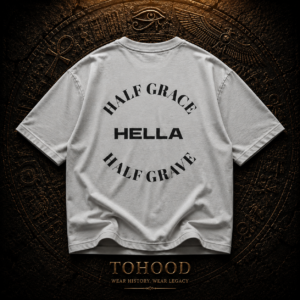
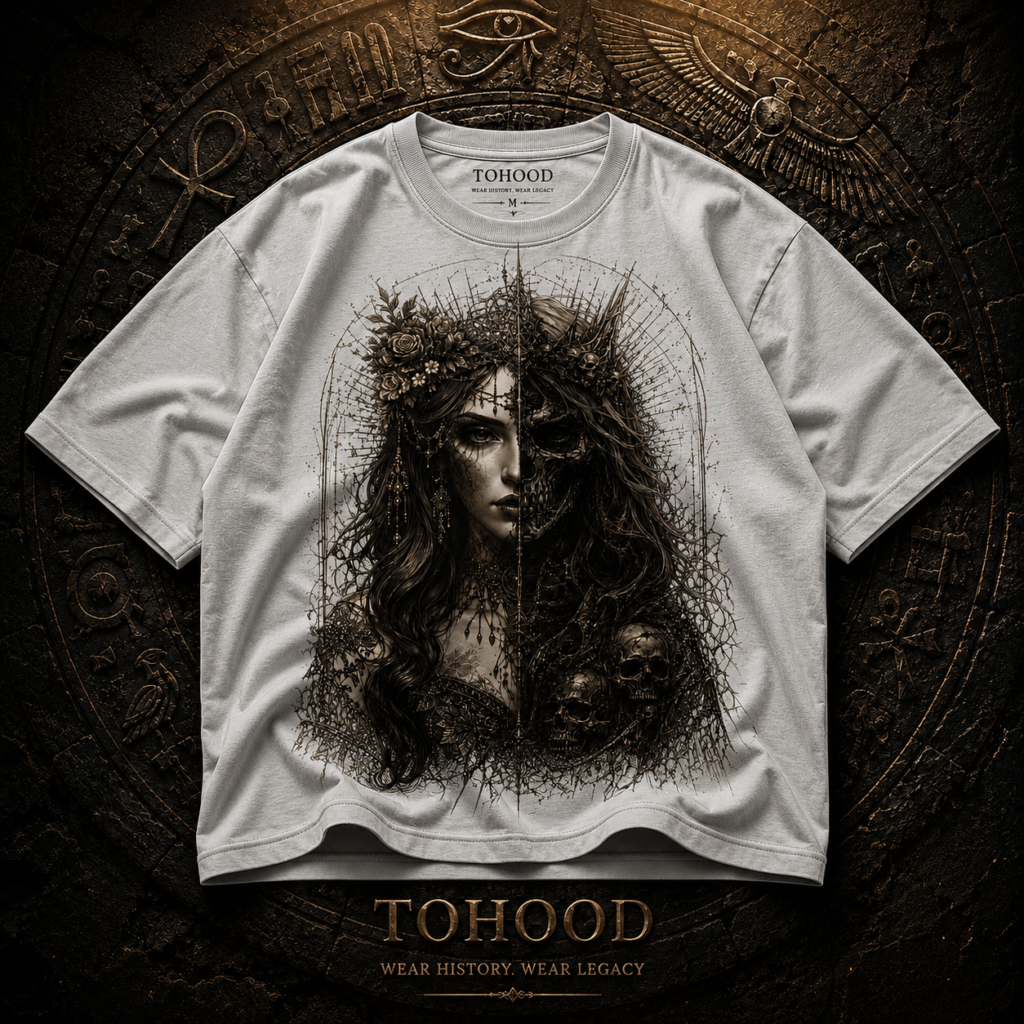
Why Moon Goddess Imagery Works in Gothic Fashion
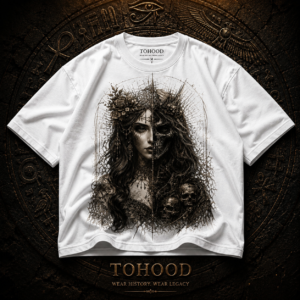
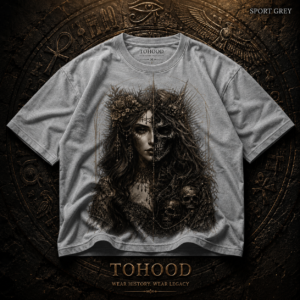
Gothic fashion frequently combines beauty with darkness.
A moon goddess embodies that contrast.
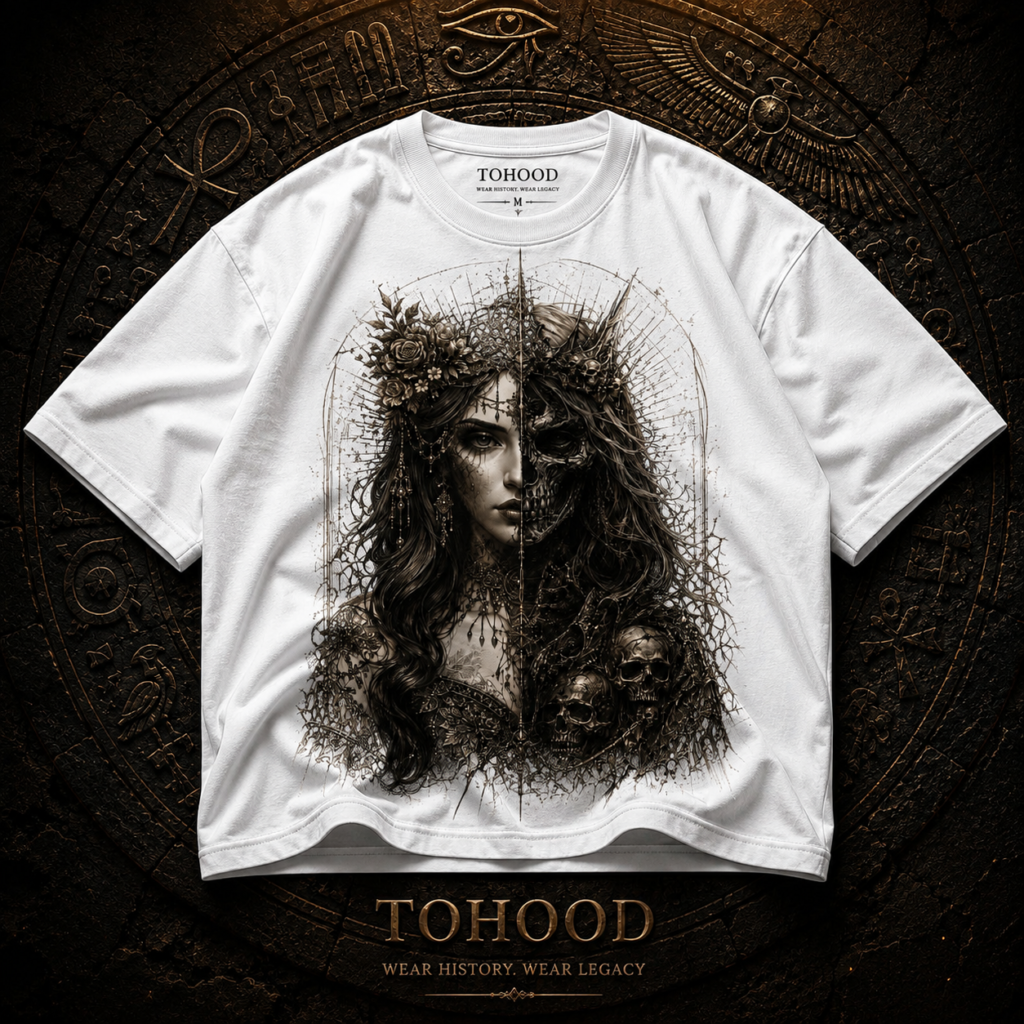
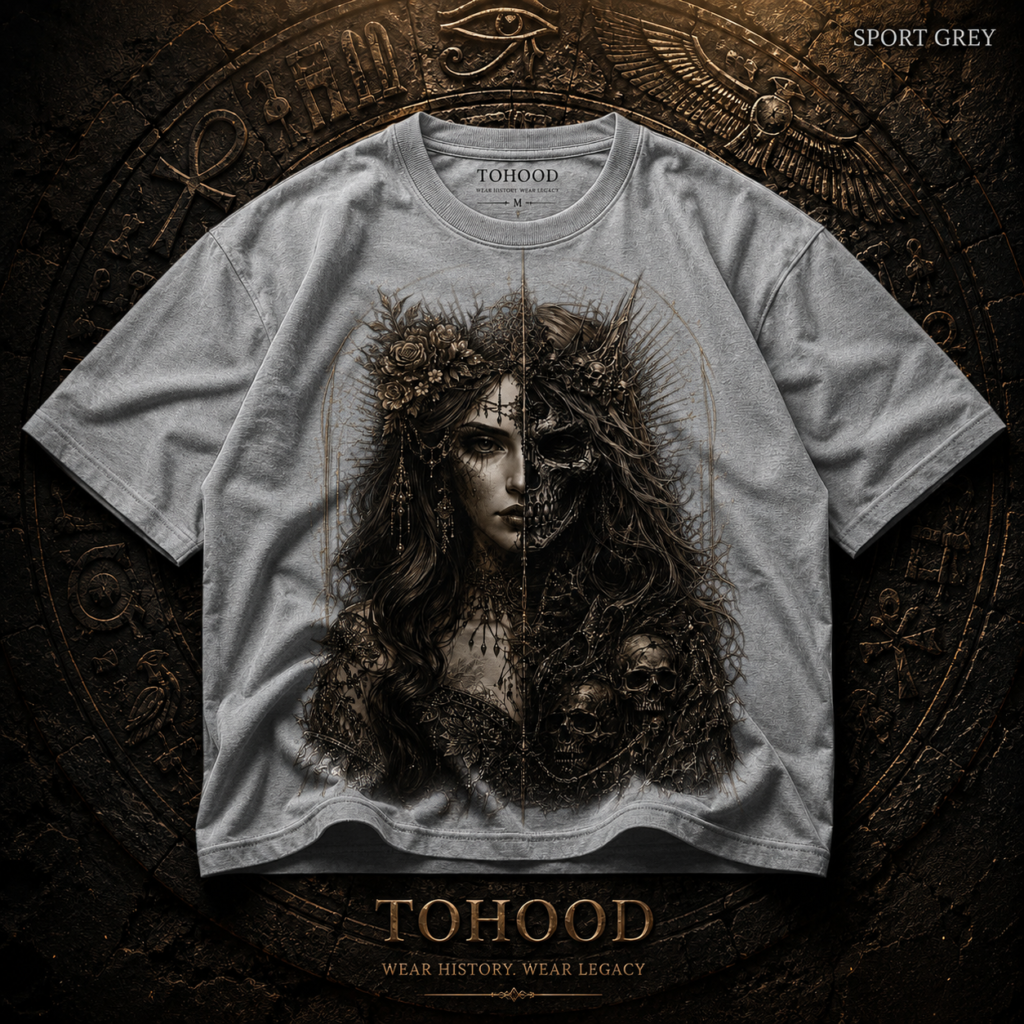
She can appear elegant, mysterious, powerful, ancient, and otherworldly at the same time.
Visual elements commonly associated with moon goddess artwork include:
- Crescent moons
- Full moons
- Stars
- Crowns
- Celestial halos
- Long flowing garments
- Gothic ornaments
- Serpents
- Roses
- Ancient symbols
- Black-and-white engraving styles
- Mystical geometric patterns
These elements can transform a simple graphic into a visual story.
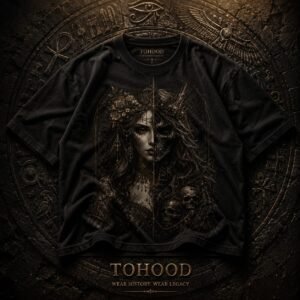
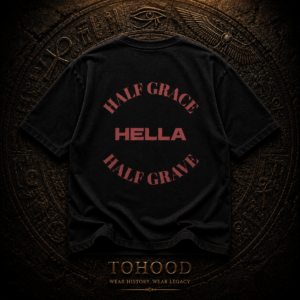
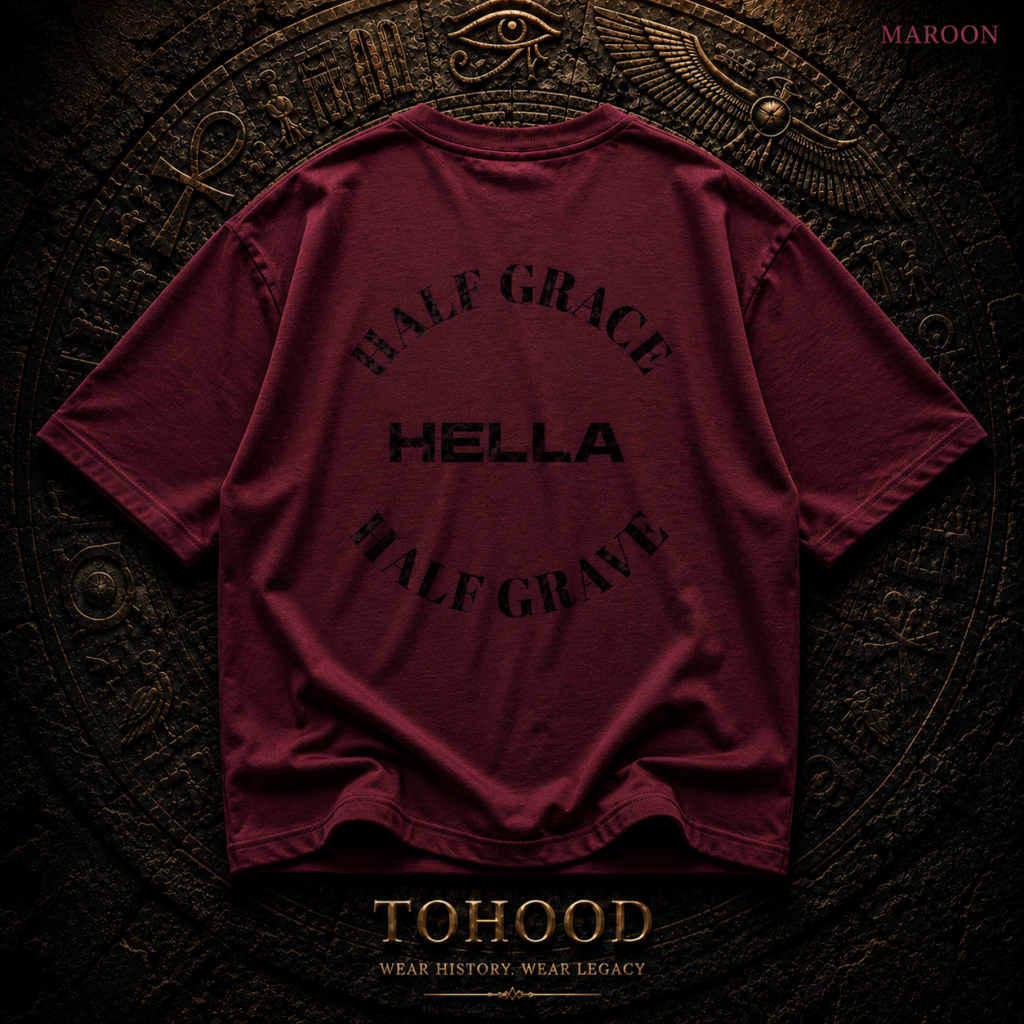
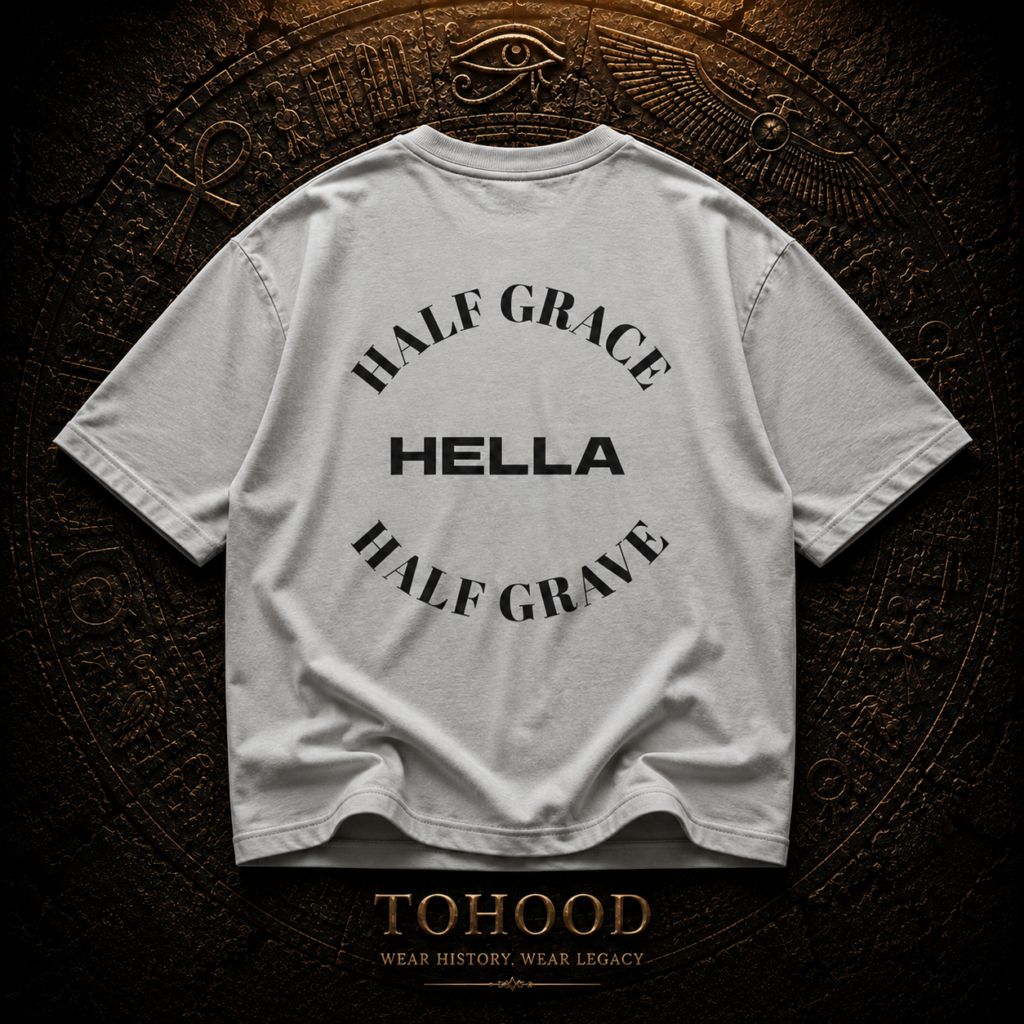
Moon Goddess Symbolism in Modern Streetwear
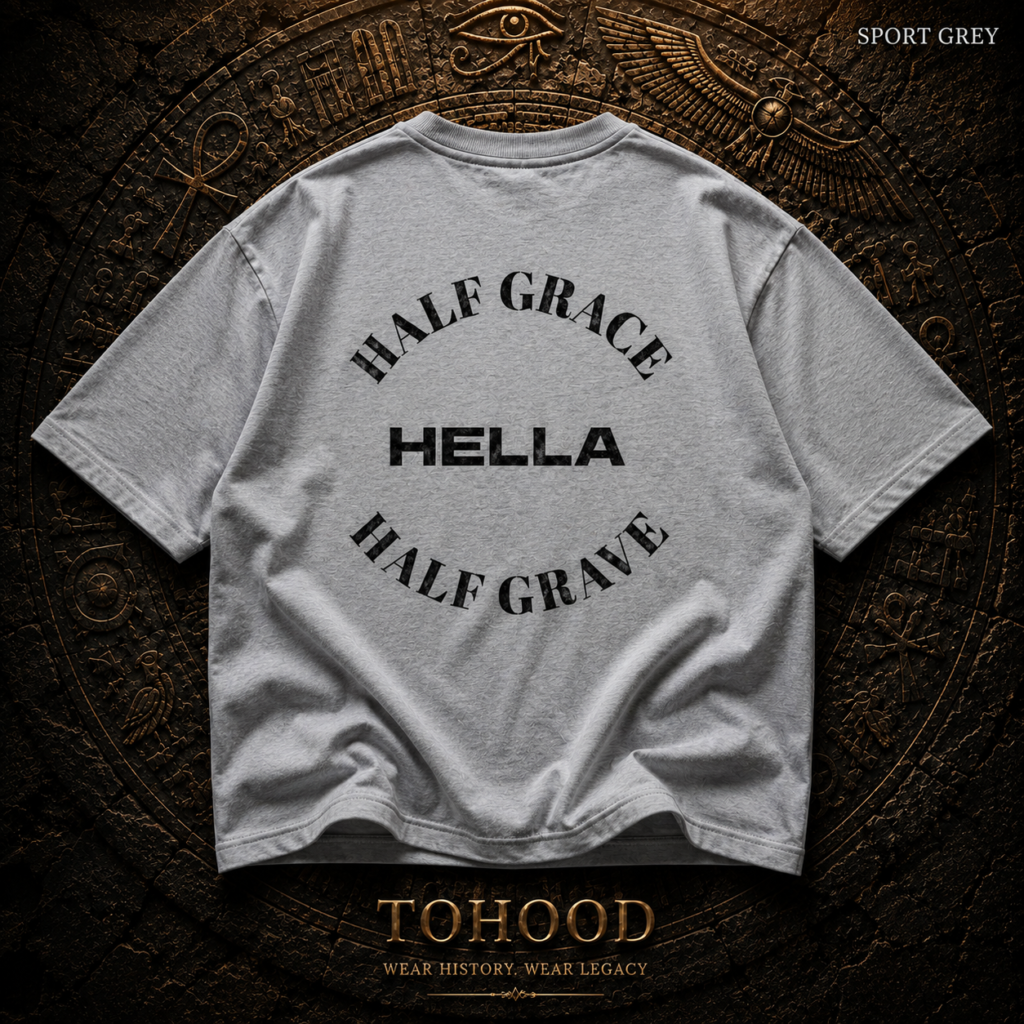
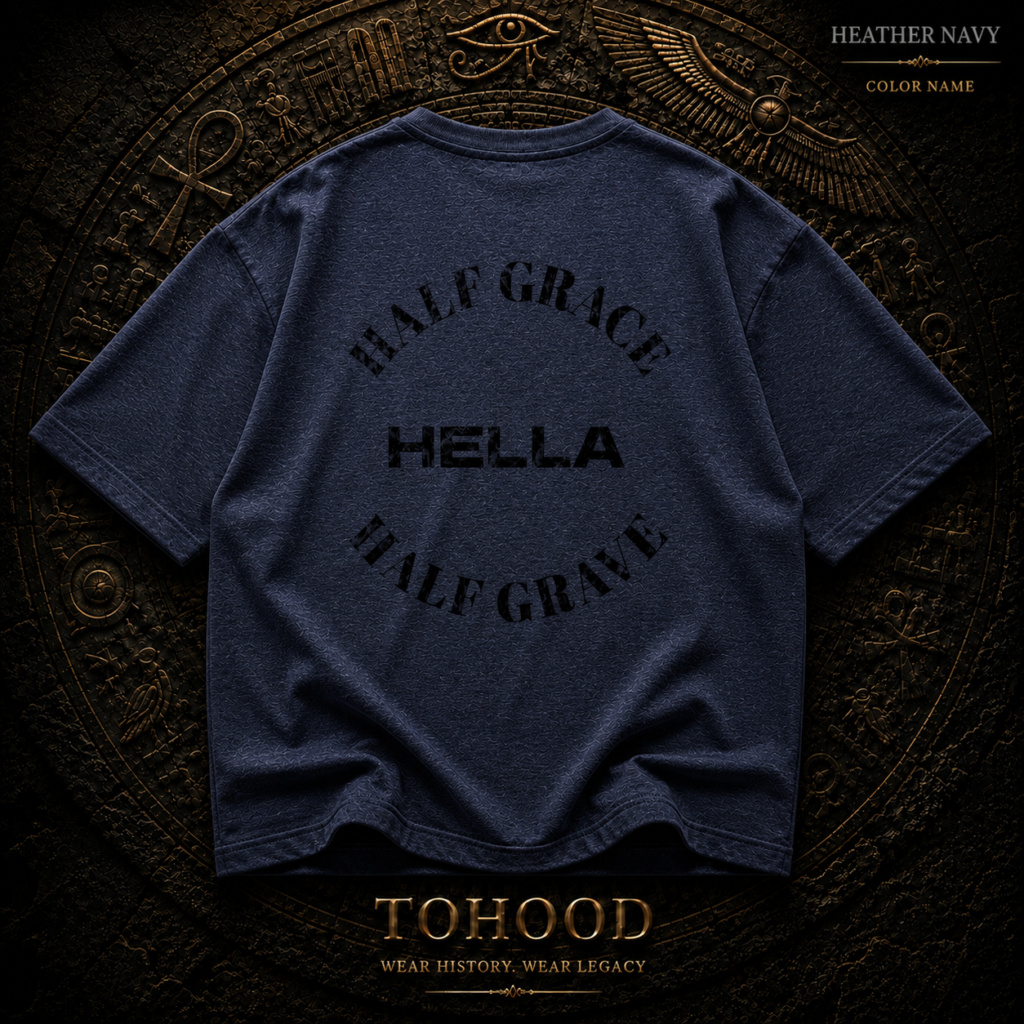
Modern streetwear increasingly uses historical and mythological imagery to create designs that feel distinctive.
A moon goddess graphic can communicate individuality without relying on ordinary fashion slogans.
The wearer might connect with the design because it represents:
- Independence
- Mystery
- Transformation
- Feminine strength
- Self-discovery
- Inner power
- Connection with nature
- Interest in mythology
The artwork becomes a conversation between ancient symbolism and modern identity.
What Does a Moon Goddess Tattoo Mean?
Moon goddess tattoos can have highly personal meanings.
Some people choose lunar goddess imagery to represent transformation.
Others associate it with femininity, independence, intuition, or spiritual growth.
Common interpretations include:
Transformation — embracing change.
Feminine power — confidence and independence.
Mystery — connection with the unknown.
Rebirth — beginning again after a difficult chapter.
Wisdom — learning through experience.
Cycles — accepting that life constantly changes.
The symbolism depends on the person and the specific goddess represented.
The Meaning of a Crescent Moon
The crescent is perhaps the most recognizable lunar symbol.
It can represent beginnings because it appears at the start of the visible lunar cycle.
A crescent moon can therefore symbolize:
- New beginnings
- Potential
- Growth
- Change
- Hope
- Mystery
In gothic design, however, the same crescent can take on a darker character when combined with skulls, ravens, ruins, occult-inspired geometry, or ancient engraving styles.
The symbol itself remains simple.
The surrounding artwork changes its emotional meaning.
Why Ancient Symbols Still Matter
Modern fashion may look completely different from ancient clothing, but human fascination with symbolism has not disappeared.
People still use visual symbols to express identity.
A skull can communicate mortality.
A serpent can represent transformation.
A crown can represent power.
A moon can represent cycles and mystery.
A mythological goddess can represent an entire philosophy through a single image.
This is what makes symbolic fashion different from purely decorative fashion.
The artwork has something to say.
The TOHOOD Interpretation
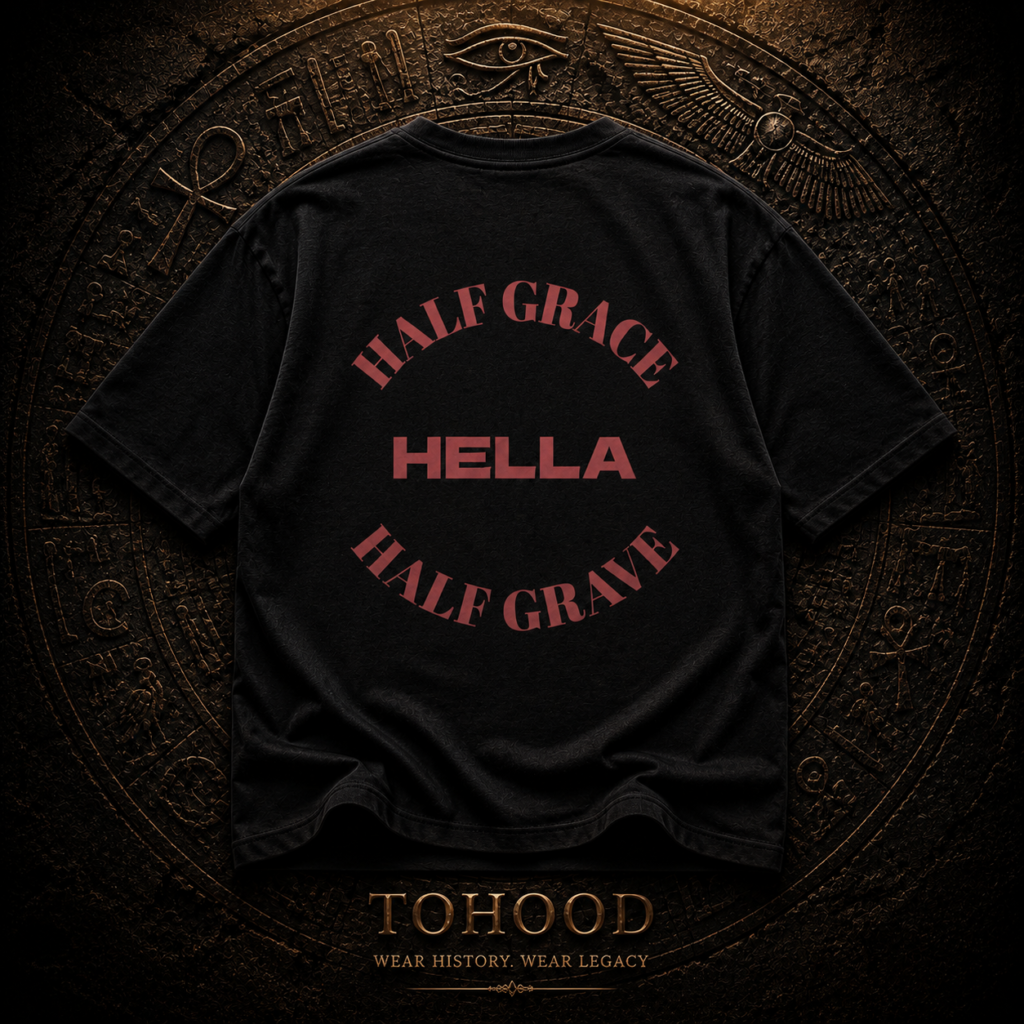
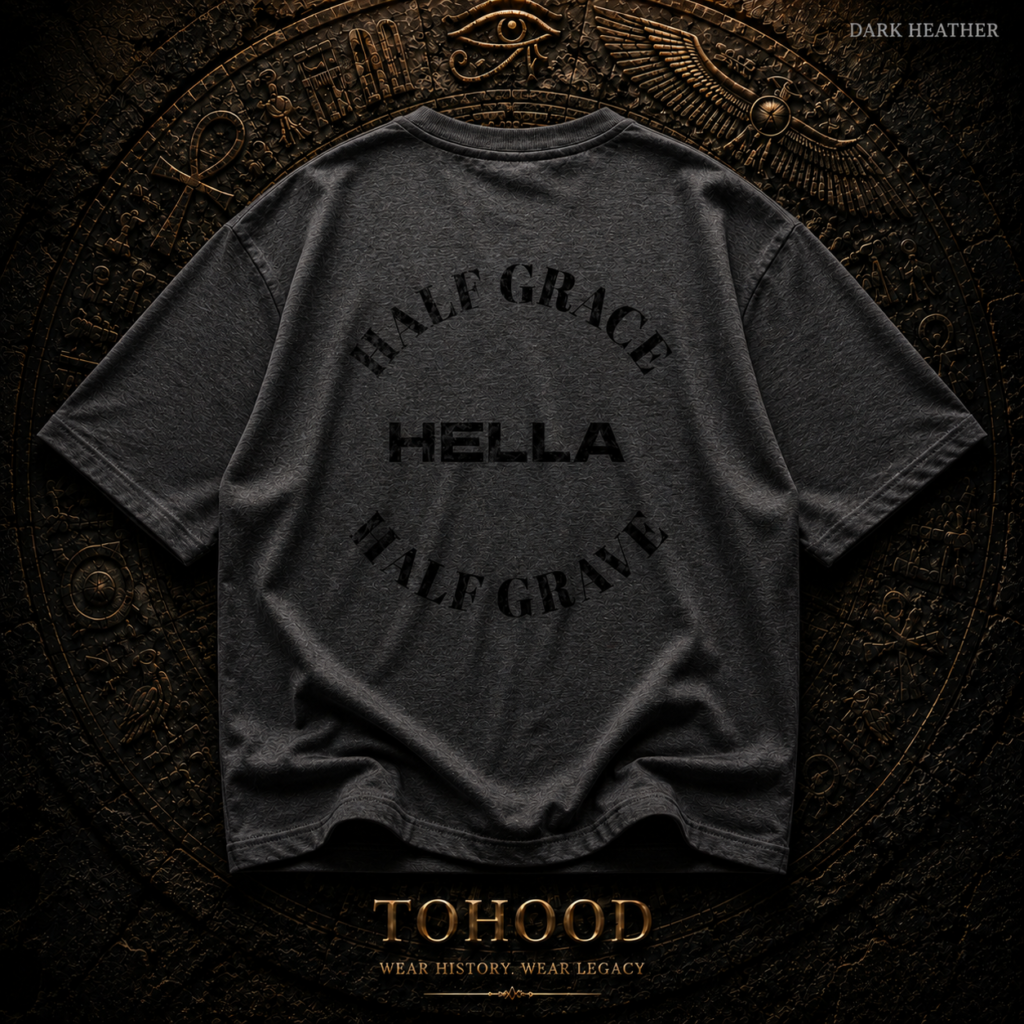
At TOHOOD, mythology is not treated as decoration alone.
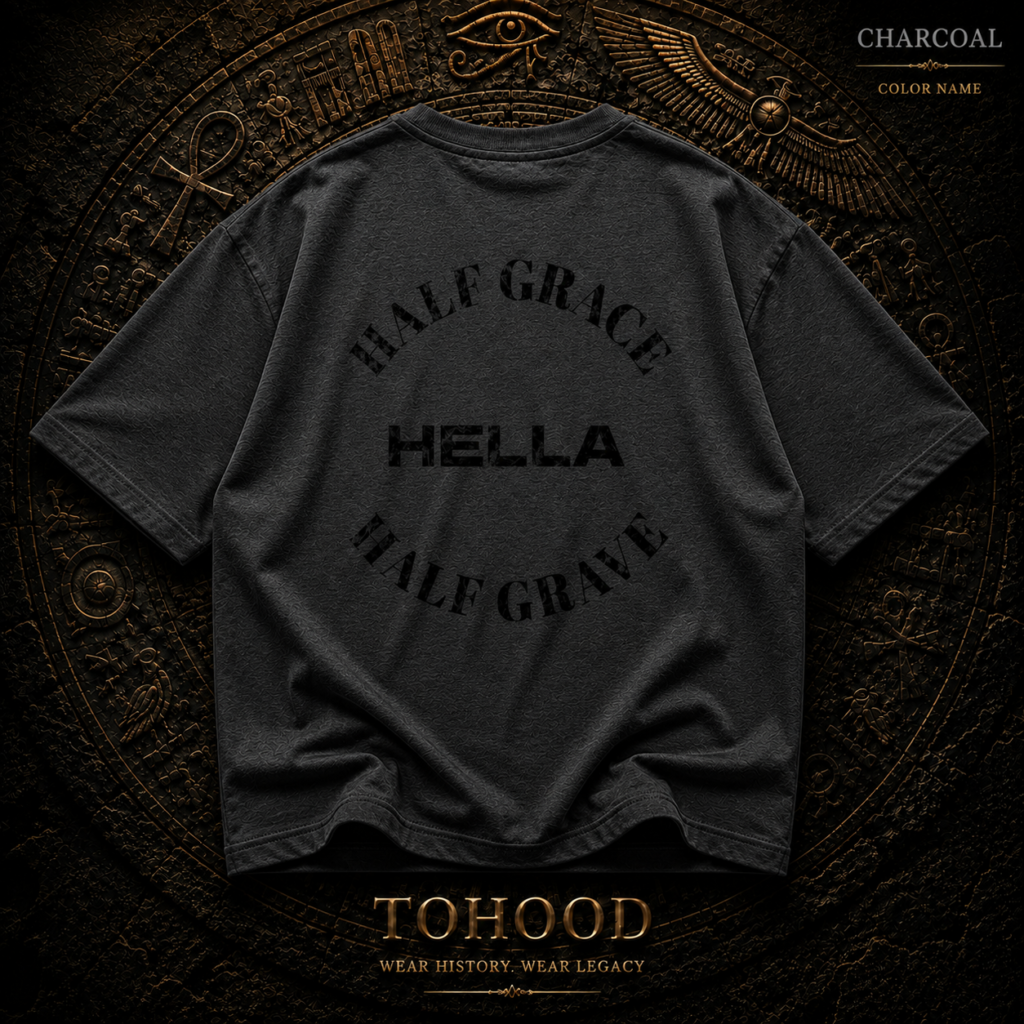
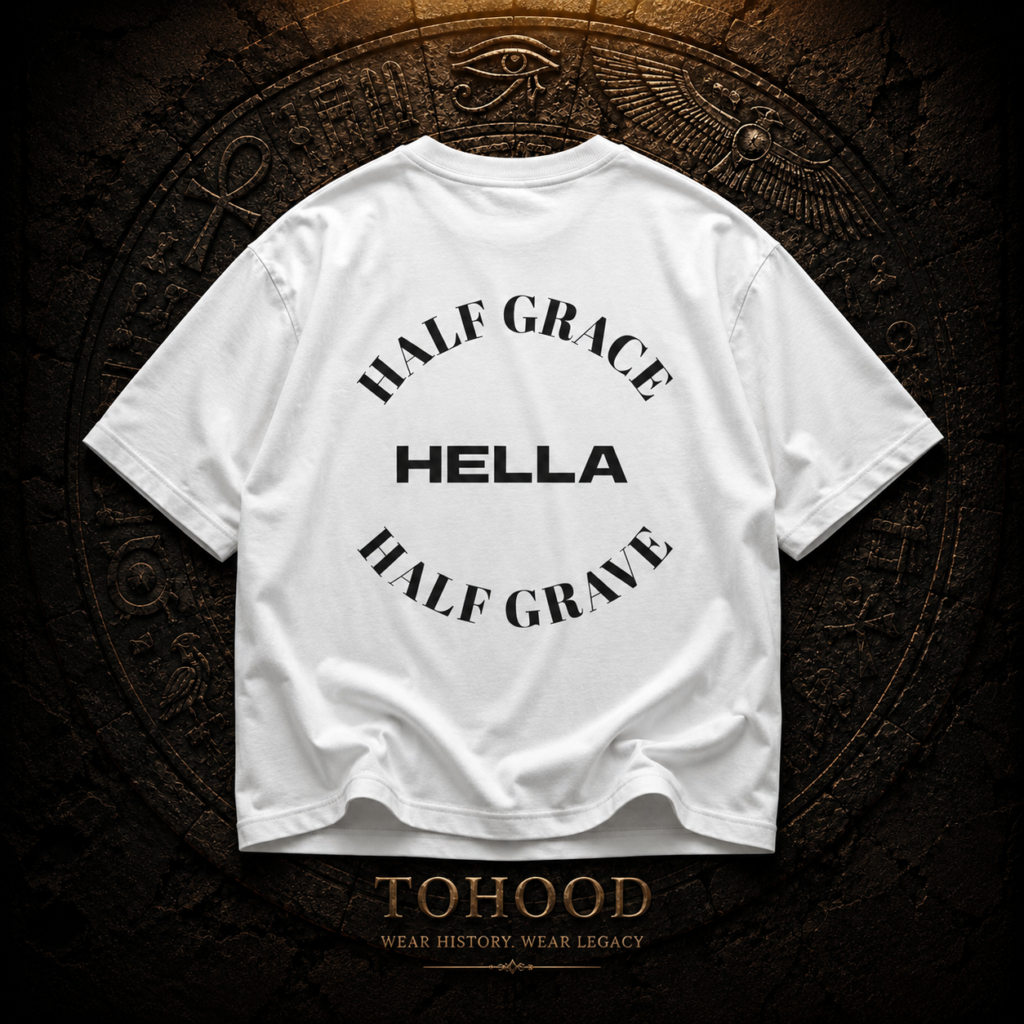
Ancient symbols can be reinterpreted through contemporary graphic design to create clothing that feels connected to history while still belonging to the modern world.
The moon goddess represents one of the strongest examples of this idea.
She stands between darkness and light.
Between mystery and knowledge.
Between endings and beginnings.
Between the ancient world and the modern one.
That makes lunar symbolism perfectly suited to a brand built around darker visual storytelling.
Final Thought
The moon has watched civilizations rise and disappear.
Its phases have remained a constant reminder that nothing stays the same forever.
The moon goddess therefore represents more than femininity or beauty.
She can represent transformation, mystery, resilience, wisdom, independence, and the power to move through different phases of life.
The darkness is part of the cycle.
The disappearance is part of the cycle.
And the return is part of the cycle.
Like the moon, we are allowed to change, disappear, grow, and begin again.
TOHOOD
Wear the story.